The Landscape of Indian Iron Ore: An Overview
Iron ore is one of the most important natural resources in the world and serves as the primary raw material for steel production. Nearly 98% of the iron ore mined globally is used to manufacture steel, which is essential for construction, infrastructure, automobiles, railways, machinery, and defense equipment. As a result, the growth of an economy is often closely linked to the demand for iron ore and steel.
India is among the world's leading iron ore producers and possesses vast reserves of both hematite and magnetite ore. The country's iron ore resources are mainly concentrated in Odisha, Chhattisgarh, Karnataka, and Jharkhand, which together account for more than 90% of national production. Odisha alone contributes more than half of India's total iron ore output, making it the country's most important mining state.
The Indian iron ore industry plays a crucial role in supporting the domestic steel sector. India is currently the world's second-largest producer of crude steel and aims to expand its steelmaking capacity from about 200 million tonnes to 300 million tonnes by 2030. This ambitious growth plan is expected to significantly increase iron ore demand in the coming years, creating long-term opportunities for mining companies.
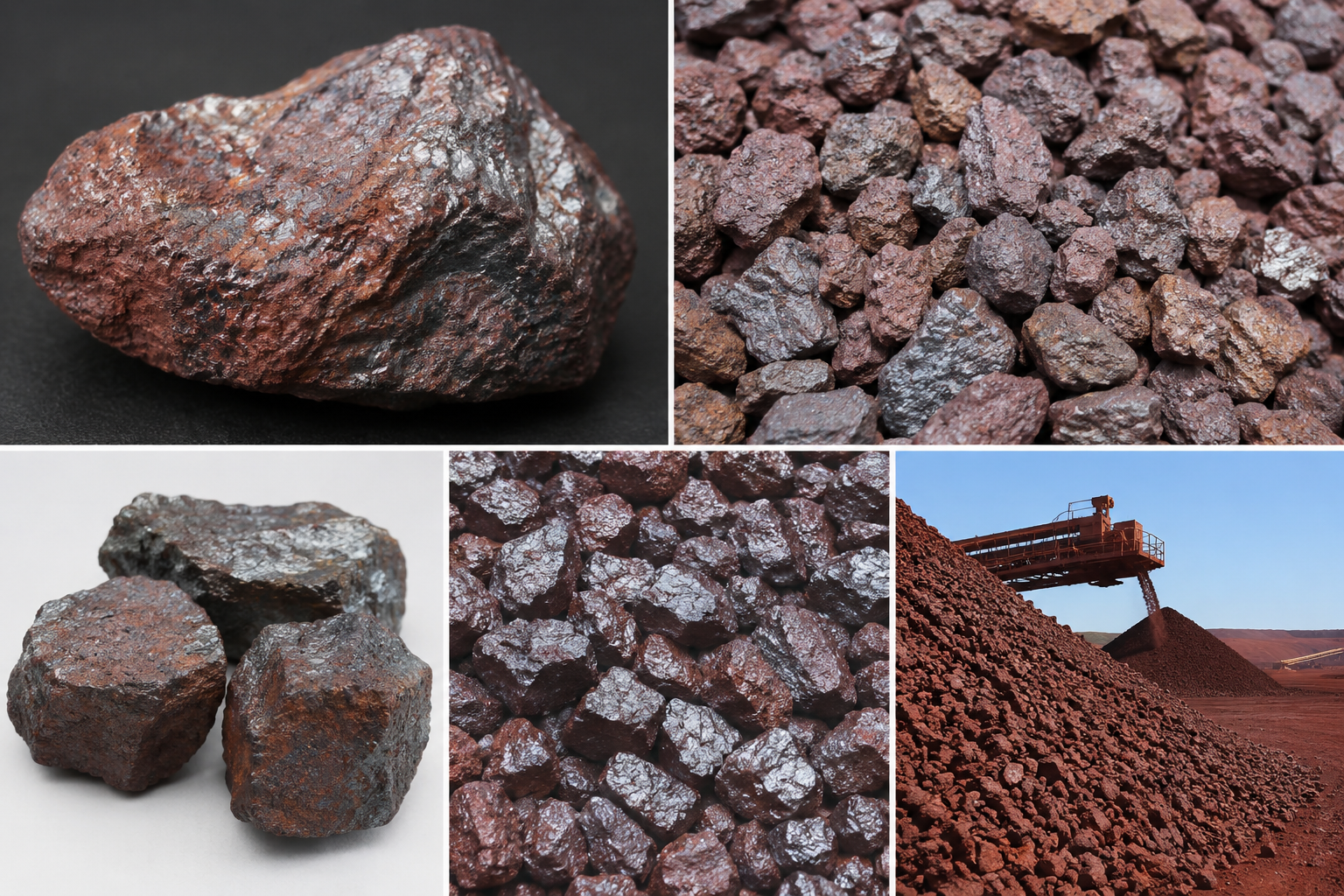
Market Leaders: India's Top Iron Ore Producers
India’s iron ore production is anchored by a select group of commercial miners and elite private steel giants. Operating across the country's richest mineral belts, these market leaders drive the nation's industrial supply chains and economic growth. Here are the premier producers currently dominating the landscape.
#1 NMDC Limited - The Undisputed Merchant King 
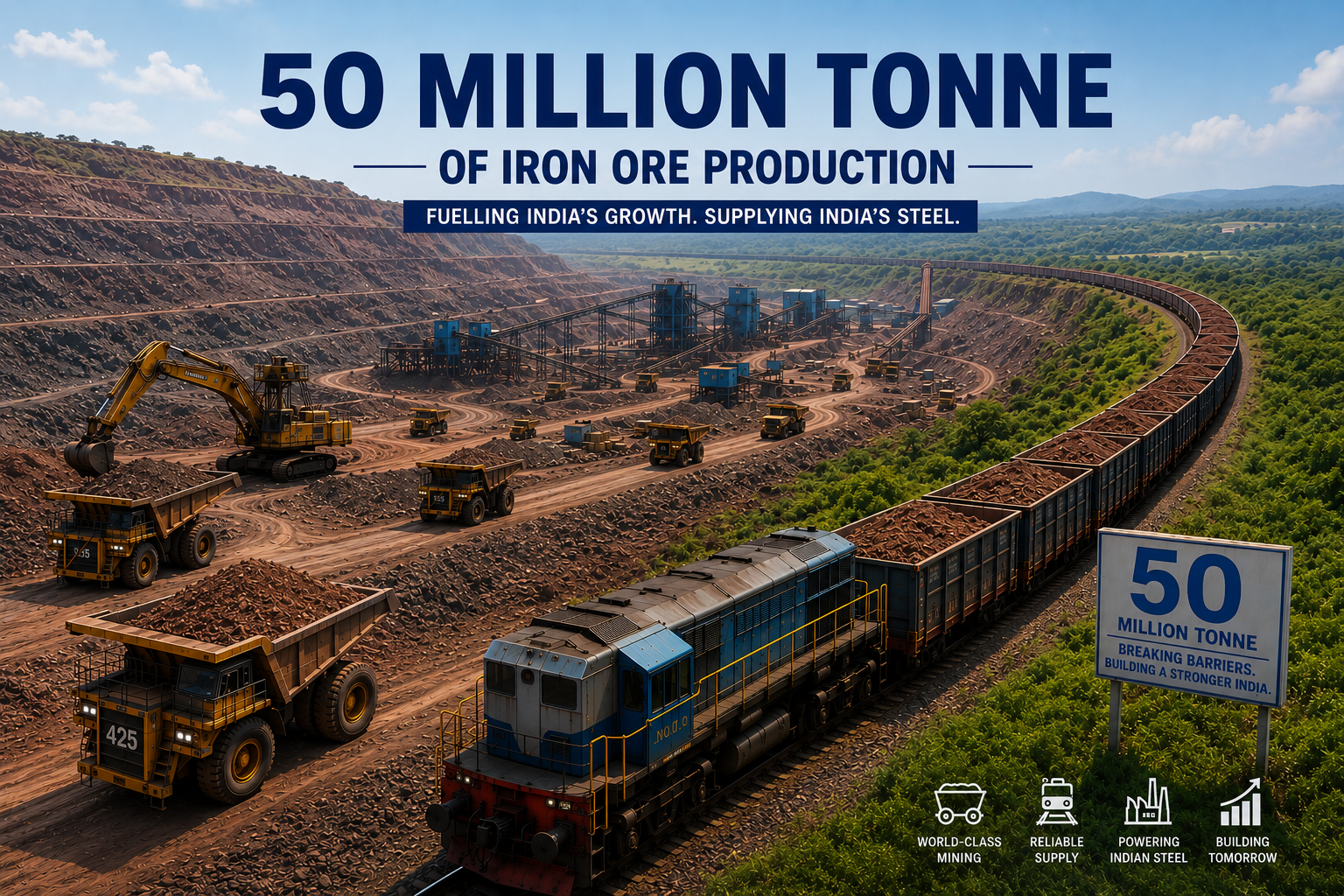
NMDC Limited is India's largest iron ore producer and operates some of the country's biggest mines in Chhattisgarh and Karnataka. The company supplies iron ore to several domestic steel manufacturers and was the first Indian mining company to surpass 50 million tonnes of annual iron ore production.
Production and financial performance
NMDC’s strategy is heavily focused on meeting India's surging domestic steel demand, meaning its direct iron ore export numbers are effectively near zero or negligible. Out of its record-breaking total sales of 50.24 million tonnes (MT), nearly 100% is consumed by domestic steel plants.
NMDC historically exported a small portion of its high-grade iron ore (typically 1.5 to 3 million tonnes annually) to Japanese steel mills and POSCO in South Korea through government-backed long-term agreements facilitated by MMTC. However, the company has significantly reduced these exports in recent years as strong domestic demand and steep export duties imposed by the Indian government encouraged producers to prioritize local industries.
In FY26, NMDC reported revenue of ₹32,071 crore and a net profit of ₹7,450 crore, resulting in a net profit margin of 23.2%. The company delivered revenue growth of more than 30% and profit growth exceeding 14% during the year. This reflects strong operational efficiency and the benefits of its low-cost mining model.
Key strengths of NMDC Limited are -
- Lowest cost iron ore producer in India.
- NMDC has high grade ore reserves.
- Government ownership provides strategic support to the company.
#2 Odisha Mining Corporation (OMC) - The Merchant Sector Lifeline 
OMC operates as a "Gold Category" state-owned public sector undertaking (PSU) and stands as India's second-largest iron ore producer. Unlike captive miners like Tata Steel or SAIL, OMC is a pure commercial merchant miner. They extract iron ore to sell it directly on the open market, serving as a critical raw-material lifeline for private domestic steelmakers who do not own their own mines.
To maximize profits, OMC is expanding beyond raw extraction into value manufacturing by investing ₹800 crore to build a 1.5 MTPA Pellet Plant near its Gandhamardan mines.
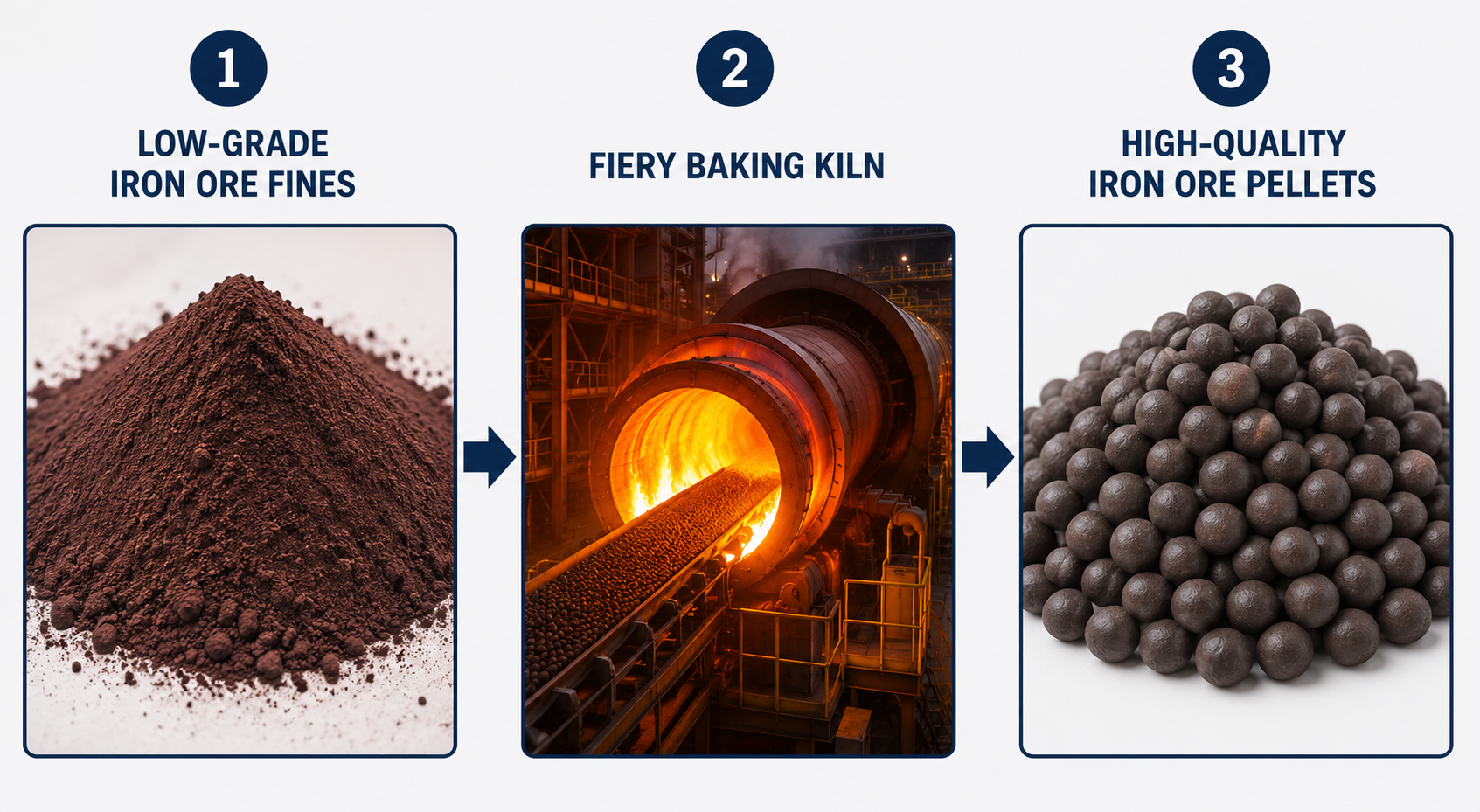
Practically, this allows them to convert cheap, low-grade iron ore waste fines into high-value baked pellets.
They also rely on advanced tech, using automated Fleet Management Systems and transparent digital e-auctions to manage massive railway dispatches to domestic steel giants.
Financial Performance
The company reported provisional revenue of ₹25,300 crore, the highest in its history. This record performance was primarily driven by its iron ore business, which continued to benefit from strong production volumes and sustained demand from the domestic steel industry. The milestone highlights the company's dominant position in India's iron ore sector and its ability to generate substantial cash flows from mining operations.
Looking ahead, the company has set an ambitious long-term production target of 100 million tonnes by 2036. The expansion plan reflects management's confidence in India's growing steel demand and aims to strengthen the company's leadership in the iron ore industry. Achieving this target would significantly increase production capacity and further cement its position as the country's largest iron ore producer.
#3 Tata Steel - A Legacy of Total Integration 
Tata Steel stands out among global steelmakers because it operates as a highly integrated, self-sufficient iron ore producer.For its major Indian operations, Tata Steel digs millions of tonnes of iron ore out of its own captive mines annually to ensure its domestic facilities remain 100% self-sufficient.
This strategic ownership completely insulates Tata Steel from volatile global market prices,
making it one of the lowest-cost steel producers in the world.
Tata Steel's flagship Noamundi Iron Mine has been operating for over 100 years (starting dispatches in 1925).
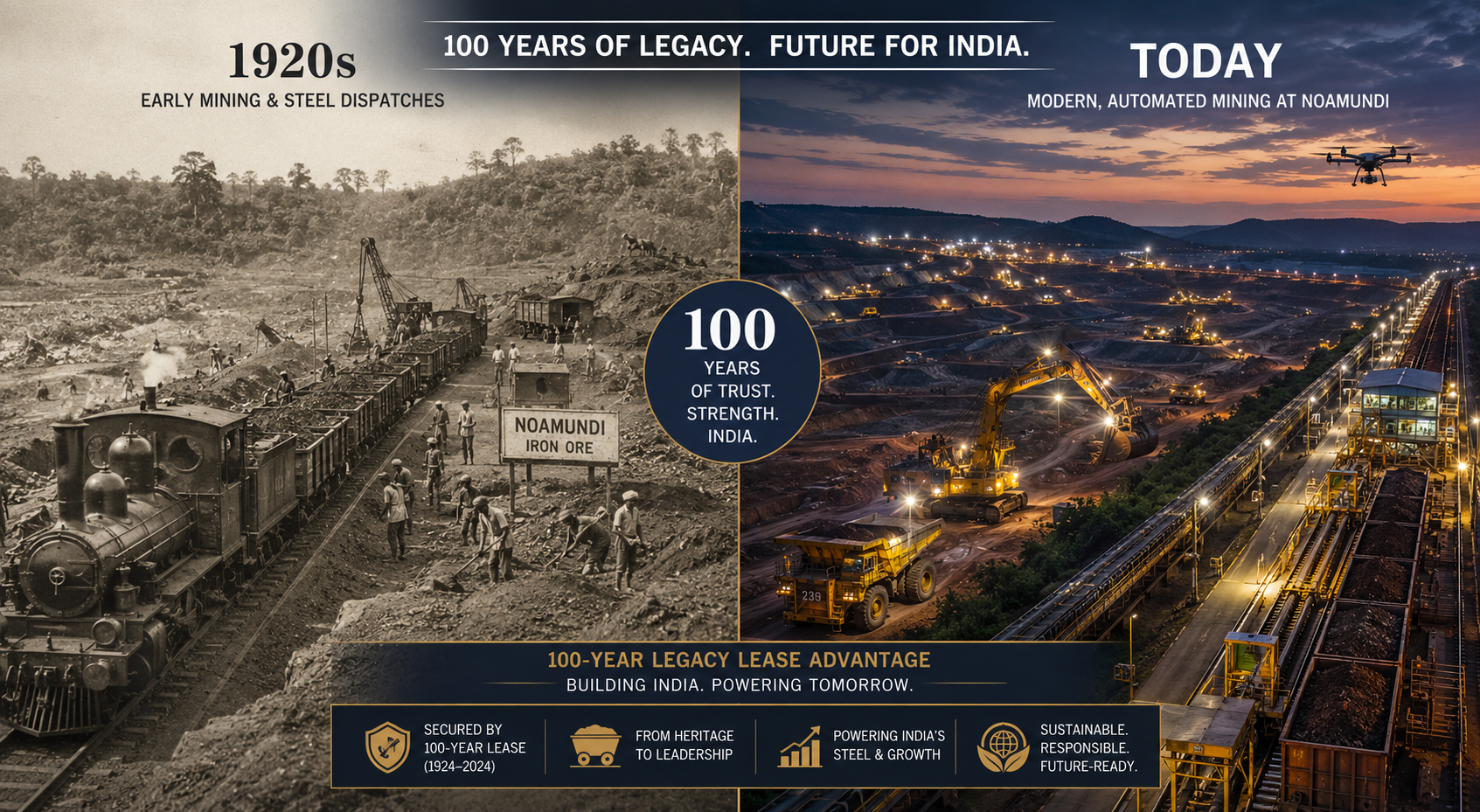
This deep-rooted legacy granted them a highly unique legal and operational advantage: they locked in massive, high-grade iron ore reserves through historic "legacy leases" long before modern, hyper-competitive government auctions existed.
Fiscal Snapshot: Revenues & Margins
In FY26, Tata Steel reported revenue of approximately ₹2.32 lakh crore and a net profit of about ₹10,886 crore. While its margins are lower than pure mining companies, the captive mining business gives Tata Steel a major competitive advantage in the steel industry.
#4 Steel Authority of India Limited (SAIL) - The Captive Public Titan 
The Government of India owns SAIL, a massive steel giant that ranks as India's third-largest iron ore producer. Like Tata Steel, SAIL operates on a 100% captive mining model. They do not sell their ore commercially; instead, every ton they mine goes directly to fuel their own major public-sector steel plants (like Bhilai, Bokaro, and Rourkela), completely insulating them from volatile global market prices.
SAIL controls a massive network of 15 active iron ore mines across India’s richest mineral belts in Jharkhand, Odisha, and Chhattisgarh. This includes legendary mining clusters like Kiriburu, Bolani, and the famous Chiria mine, which holds one of the largest single iron ore deposits in the world. This massive reserve footprint gives SAIL a multi-generational supply security that few competitors can match.
Future vision
To scale up for the future, SAIL is shifting from traditional operations to a modern MDO (Mine Developer-cum-Operator) model. They have partnered with major private infrastructure players to rapidly expand production. This includes developing the massive 14 MTPA Rowghat project in Chhattisgarh and scaling up the Taldih mine in Odisha to a 7 MTPA mechanized powerhouse using advanced conveyor systems to minimize road transport. In 2024-25, SAIL produced 33.78 million tonnes of iron ore.
#5 JSW Steel - The Aggressive Hybrid Innovator 
JSW Steel is a unique titan among India’s steelmakers because it operates on a highly dynamic hybrid raw-material model. Unlike older legacy players like Tata Steel or SAIL, which own massive historic mines that cover 100% of their needs, JSW traditionally had to buy almost all of its iron ore from the open merchant market.
To secure itself against raw material price shocks and fuel its massive growth, JSW has spent the last several years aggressively bidding for, winning, and operationalizing 23 iron ore mines and deposits across Karnataka and Odisha, aiming to aggressively push its self-sufficiency margins.
Practically speaking, JSW Steel’s massive appetite for raw iron ore outpaces its internal mining capacity because its steelmaking operations are scaling at breakneck speed. To bridge this gap, JSW acts as a major buyer from commercial merchant mining giants like NMDC and OMC.
Production rate
The company extracted 18 million tonnes of iron ore from its own captive mines, representing a temporary 28% drop due to transitional regulatory challenges across integrated producers, temporarily lowering their internal raw material fulfilment to around 37% and forcing higher market purchases.
Final words
The landscape of Indian iron ore production reveals a highly strategic, dual-engine ecosystem. On one side, pure commercial powerhouse merchant miners like NMDC and OMC act as the foundational lifelines for the open market. On the other side, integrated steel giants like Tata Steel, SAIL, and JSW Steel continuously push boundaries to secure internal, captive raw-material supplies and bulletproof themselves from global price shocks.
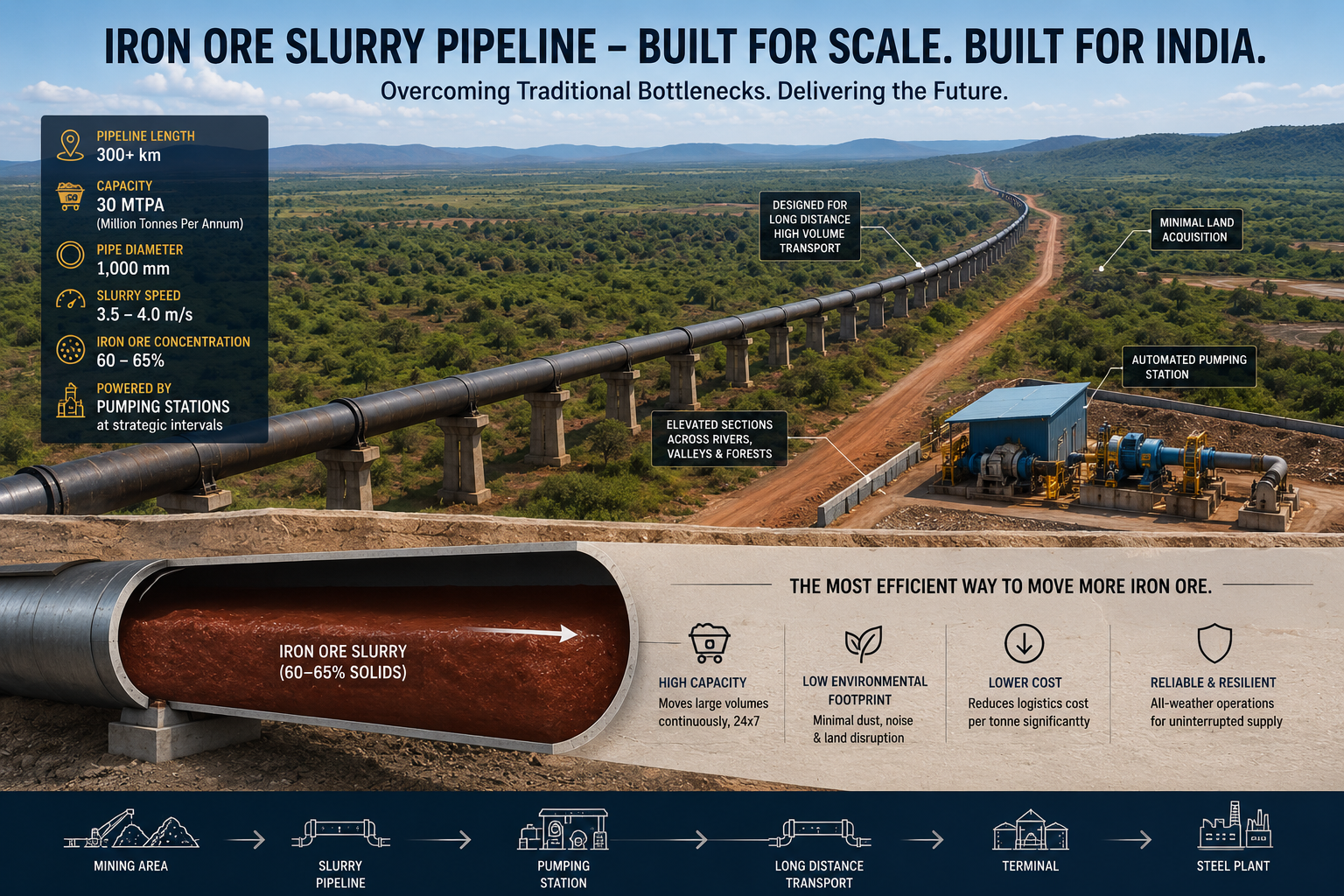
As India aggressively marches toward its ambitious goal of expanding crude steelmaking capacity to 300 million tonnes by 2030, the pressure on these five premier producers will only intensify. Through massive capital investments, heavy digital automation, and pioneering infrastructure shifts like slurry pipelines and MDO partnerships, these market leaders are proving they are ready. Ultimately, they are not just digging rocks out of the ground; they are fueling the very structural backbone of India’s economic future.