Azad Engineering: ₹6,500 Crore Order Book Explained
Azad Engineering’s ₹6,500 crore-plus order book has caught the attention of many investors because it shows strong future demand for the company’s products. But a large order book does not automatically mean higher profits or wealth for shareholders. It only gives Azad the opportunity to earn future revenue. The real test is whether the company can produce these complex components on time, maintain strict quality standards, keep customer approvals, and convert the orders into profitable sales.
At 10.8x FY26 revenue, Azad’s order book is unusually large for an Indian precision-engineering company. The key question for investors is not whether the backlog exists, but whether Azad can execute it fast enough to sustain 25%+ revenue growth without compromising margins or return on capital.
The headline number: ₹6,500 crore plus
According to the company’s official FY26 investor communication, Azad Engineering reported a rolling order book of approximately ₹6,500 crore plus after delivering around ₹600 crore worth of orders during FY26.
| Order book metric | Value |
| Rolling order book | ₹6,500 crore+ |
| FY26 deliveries | ₹600 crore |
| FY26 revenue | ₹603 crore |
| Delivery visibility | 5 - 6 years |
To understand how unusual this is, investors should compare Azad’s backlog with other Indian aerospace and precision-engineering companies. Most listed peers typically operate with order books that are in between of 2x to 3x, but Azad’s 10.8x ratio is at the extreme end of the range.
This does not necessarily mean the stock is undervalued; it means the market is pricing in the assumption that Azad can execute this backlog with very few delays.
Energy: The Largest Contributor
The Energy segment dominates the order book at ₹3,860 Cr (52% of total backlog). Rather than low-margin structural parts, Azad focuses on high-precision rotating components like - combustion hot-path parts and air foils.
Economics: Hot-section components command higher gross margins due to high-mix, low-volume precision requirements and specialized metallurgy.
Strategic Shift: As global power grids demand gas-turbine backups for intermittent renewable energy, OEMs like GE Vernova and Siemens Energy are facing supply-chain bottlenecks. Azad’s capacity acts as an outsourcing valve for these OEMs, cementing high customer stickiness.
Aerospace & Defence: The Strategic Growth Engine
The Aerospace & Defence segment contributes ₹1,930 crore to Azad Engineering’s order book. This means customers have already placed confirmed orders worth this amount, which will be executed over the coming years.
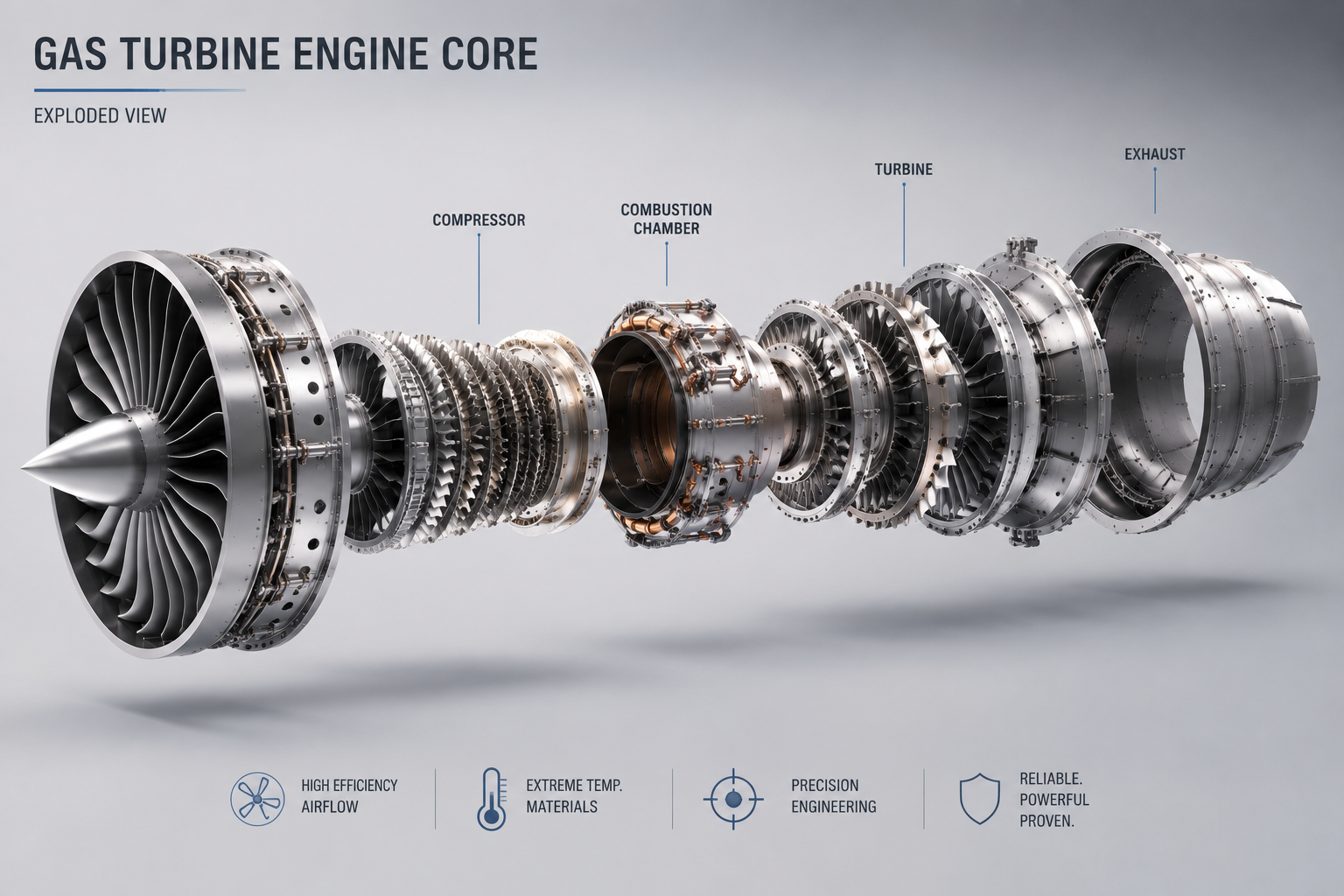
What makes this segment special is that aerospace and defence components are among the most demanding engineering products in the world. They must perform flawlessly because they are used in aircraft engines, flight control systems, and defence equipment where safety is critical.
Unlike ordinary industrial parts, aerospace components are:
- Highly regulated - they must meet strict international aviation standards.
- Technologically complex - they require advanced materials and precision manufacturing.
- Supplied under long-term contracts - once approved, suppliers often remain part of the program for many years.
What Azad Engineering manufactures?
The investment relevance of Azad’s aerospace business is not the type of component it manufactures, but the qualification cycle behind those components. Aerospace OEMs do not easily replace approved suppliers because every new vendor must undergo years of testing, certification, and reliability validation.
Once Azad is qualified for a specific engine or platform, it can remain part of that programme for many years, creating a long-duration revenue stream with relatively high customer stickiness. This is why the ₹1,930 crore Aerospace & Defence backlog is strategically more valuable than its headline number alone suggests.
Oil & Gas: A Stable Contributor
The oil and gas industry is a long-cycle industry. Companies involved in exploration, production, refining, and transportation of oil and gas invest heavily in equipment that must operate safely for many years.
Because of this, demand for high-quality precision components tends to be more predictable and recurring compared to some cyclical industrial markets.
Azad Engineering supplies components used in critical oil and gas applications, where failure is not an option.
Where are these components used?
Oil and gas operations involve extreme conditions such as high pressure, high temperature, corrosive environments, and continuous operation.
For investors, the Oil & Gas segment is important because it provides a relatively stable revenue base alongside Azad’s higher-growth aerospace and energy businesses.
Demand in this segment is driven less by new exploration alone and more by the recurring replacement of critical components that operate in high-pressure and high-temperature environments.
This makes Oil & Gas a useful cash-flow stabiliser within Azad’s portfolio. While it may not be the fastest-growing segment, it can support capacity utilisation and margin stability during periods when aerospace or energy deliveries are temporarily delayed.
Why reliability and precision are critical?
Oil & Gas contributes the remaining balance, serving as a stable, high-margin cash-flow generator. However, the standout contractual anchor across the business is the ₹1,387 Cr, 5-year single-source contract with Mitsubishi Heavy Industries (MHI) for hot-section nozzle vanes.
Why Single-Sourcing Matters: Being a single-source supplier eliminates price-competition risks for those specific part numbers throughout the 8-year lifecycle.
Revenue Run-Rate: This single contract guarantees an average run-rate of ~₹81 Cr/year, forming a baseline for baseline capacity absorption.
Delivery visibility: 5 - 6 years
One of the most valuable insights from the official disclosures is that most of Azad Engineering’s contracts have delivery schedules extending over 5 - 6 years.
This means the ₹6,500 crore order book will not be executed immediately. Revenue will be recognized gradually as components are manufactured, qualified, and delivered according to customer schedules.
| Time horizon | Implication |
| FY27 | Initial ramp-up of new facilities |
| FY28 | Higher capacity utilization expected |
| FY29 - FY31 | Major portion of order book execution |
| Beyond FY31 | Potential replenishment through new contracts |
The long delivery schedule is valuable because it gives investors predictable revenue visibility, which is rare for many manufacturing companies.
Key customers behind the order book
Azad Engineering’s relationships with global OEMs such as GE, Siemens, Mitsubishi Heavy Industries, Baker Hughes, and Pratt & Whitney Canada are a competitive advantage, but they also create a concentration risk that investors must track carefully.
A large portion of the order book is tied to a limited number of high-value customers and programmes. If any major OEM delays production, reduces offtake, or shifts part of its sourcing to another supplier, Azad’s revenue recognition could slow even though the headline order book remains unchanged.
The Mitsubishi Heavy Industries contract
One of the most notable additions to the order book is Azad Engineering’s long-term contract with Mitsubishi Heavy Industries Japan.
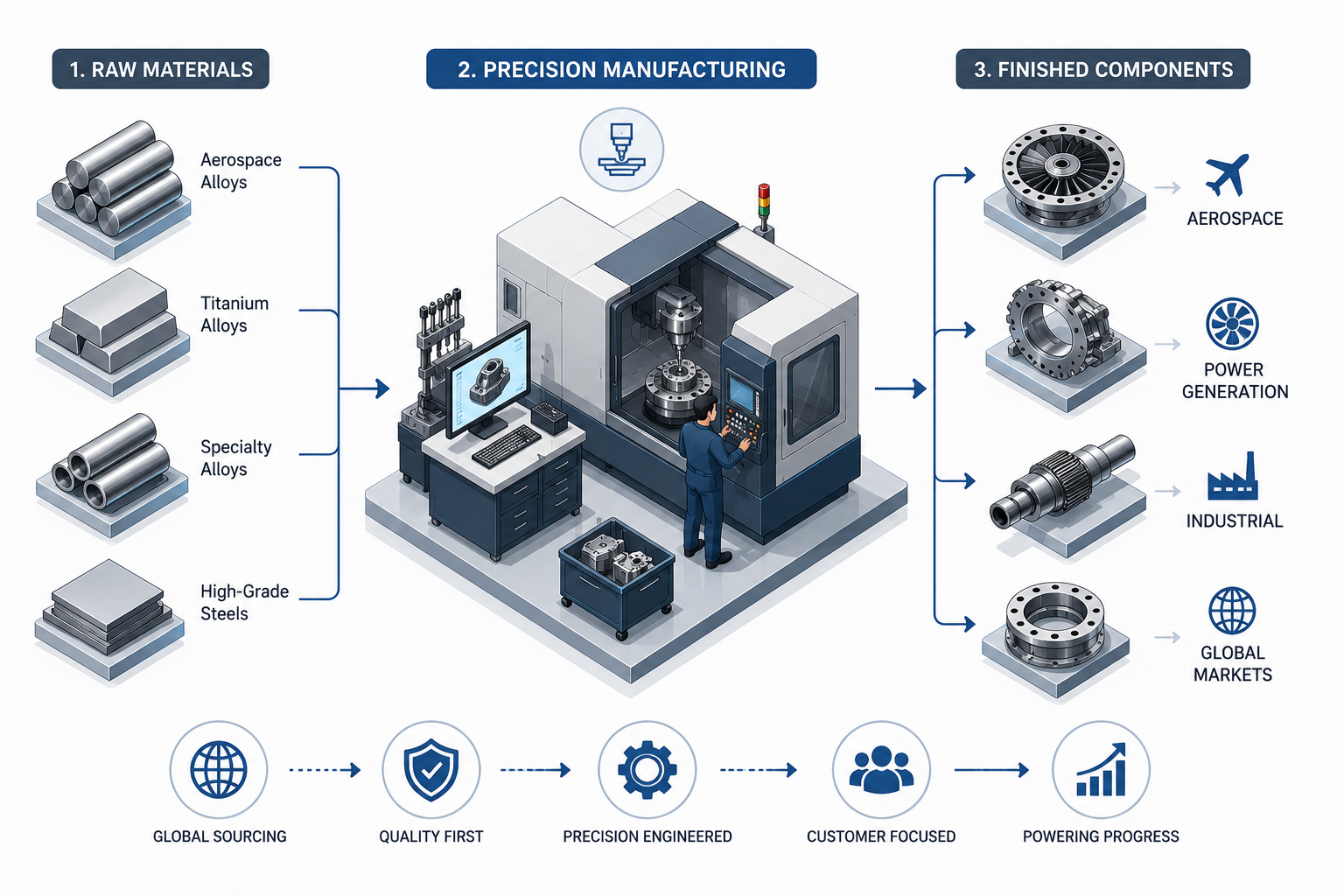
Azad Engineering has signed a Long-Term Contract & Price Agreement (LTCPA) with Mitsubishi Heavy Industries Limited (MHI) of Japan, valued at ₹651.00 crore. This agreement, focusing on supplying air foils for advanced gas and thermal power turbine engines, will be executed over five years.
It marks the second phase of collaboration between the companies, bringing their total contract value to ₹1,387.00 crore. The deal strengthens Azad Engineering's position in the global power generation equipment supply chain.
This contract is strategically significant because:
- It demonstrates the company’s capability in high-temperature turbine components.
- It strengthens Azad Engineering’s position in the global energy supply chain.
- It provides long-term revenue visibility over a 5-year period.
- It increases customer stickiness, as single-source contracts are difficult to replace.
How much of the order book was executed in FY26?
During FY26, Azad Engineering delivered approximately ₹600 crore worth of orders.
Despite executing ₹600 crore of business, the company still ended FY26 with an order book of ₹6,500 crore plus. This indicates that new orders were added during the year, replenishing the backlog.
| FY26 order book movement | Value |
| Orders executed in FY26 | ₹600 crore |
| Closing rolling order book | ₹6,500 crore+ |
| New orders added during FY26 | Not separately disclosed |
Capacity expansion: Can Azad Execute This Backlog?
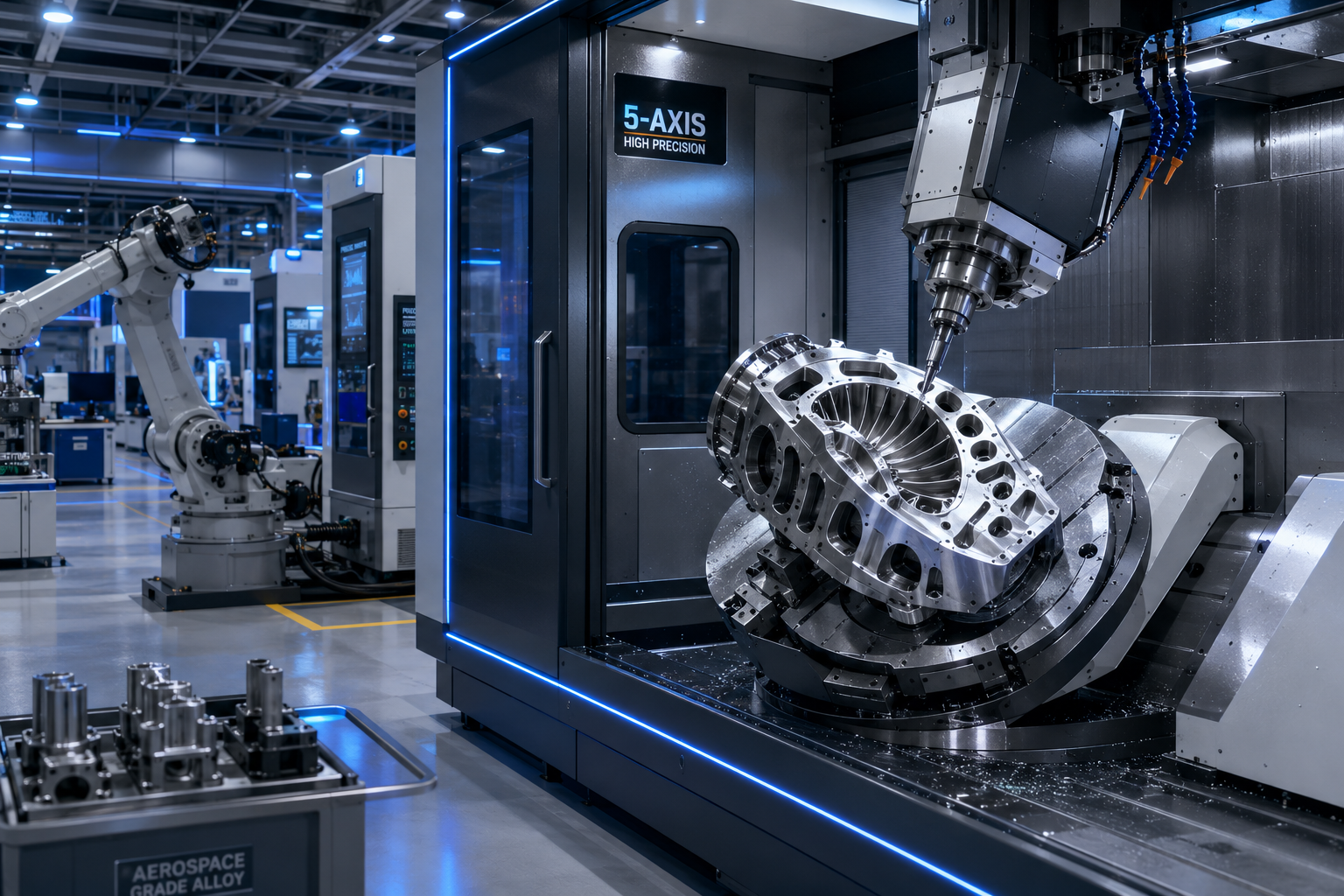
Execution capacity is the single biggest determinant of stock performance over the next 36 months.
CapEx Trajectory: Azad invested -₹392 Cr in FY26, with an additional ₹180–190 Cr planned for FY27. This brings total fresh capital deployment close to ₹580 Cr across FY26–FY27.
Asset Turnover Benchmark: Historically, precision engineering facilities achieve a Fixed Asset Turnover ratio of 1.5x to 1.8x at optimal utilization.
Execution Math: For Azad to scale revenue from ₹603 Cr in FY26 to the management target of - ₹1,200 Cr+ by FY28 - 29, peak capacity utilization must be reached by FY28. Any delay in customer qualification at new plants directly defers revenue recognition, stretching the order book delivery timeline beyond 6 years.
Revenue guidance and order book consumption
Management has guided for 25%+ annual revenue growth, but investors should treat this as an execution test rather than a certainty.
The ₹6,500 crore backlog provides the raw material for growth, yet the actual revenue trajectory will depend on how quickly new facilities are qualified and how efficiently Azad can scale production.
| Year | Illustrative revenue at 25% growth |
| FY26 | ₹603 crore |
| FY27 | ₹754 crore |
| FY28 | ₹943 crore |
| FY29 | ₹1,179 crore |
| FY30 | ₹1,474 crore |
| FY31 | ₹1,843 crore |
This is only an illustrative calculation based on management’s 25%+ growth guidance and should not be treated as company guidance for individual years.
Sources Used - Annual Reports and Conference Call
What could go wrong?
A strong order book does not eliminate business risk. Investors should monitor several factors that could prevent Azad from converting its backlog into shareholder returns:
- Qualification delays: New aerospace and turbine facilities may take longer than expected to receive customer approvals.
- Capacity under-utilisation: Fresh CapEx may not achieve the targeted asset turnover quickly enough.
- Margin pressure: Raw-material inflation or pricing negotiations could reduce profitability despite revenue growth.
- Customer concentration: A delay or reduction in orders from a major OEM could materially affect annual revenue.
- Programme postponements: Global aerospace or energy production schedules may shift due to macroeconomic or supply-chain disruptions.
Final verdict
Azad Engineering’s ₹6,500 crore-plus order book gives the company rare revenue visibility for the next 5–6 years. It proves that global OEMs already trust Azad with complex, mission-critical components across Energy, Aerospace & Defence, and Oil & Gas.
But investors should not look at the order book as guaranteed profit. The real question is whether Azad can convert this backlog into revenue and cash flow fast enough to justify its premium valuation.
The biggest factor to track over the next 12–24 months is not just new order wins or headline revenue growth. It is how efficiently the company uses its new manufacturing capacity created through the ₹580 crore CapEx program. If the new facilities achieve strong utilization and generate higher revenue by FY28, the growth story becomes much stronger.
However, if customer approvals, plant qualifications, or production ramp-up are delayed, the ₹6,500 crore backlog may remain only a large number on paper for longer than expected. In that case, the market could reduce the high valuation it currently gives to Azad Engineering, even before the order book itself starts shrinking.
So, the final investment thesis is simple: Azad Engineering does not need to prove that demand exists. It needs to prove that it can execute this demand efficiently. If execution is strong, the order book can become a powerful long-term growth engine. If execution slows, the backlog alone will not protect shareholder returns.