Aeroflex’s Role in the Data Center Ecosystem of India
Artificial Intelligence is changing the way data centers are built.
Unlike traditional cloud servers, AI servers consume significantly more power and generate much higher amounts of heat. As companies deploy thousands of high-performance GPUs inside a single facility, cooling is no longer just a support system - it has become one of the most critical components of the entire data center.
This is where Aeroflex Industries enters the picture.
Rather than manufacturing servers or networking equipment, the company operates in a less visible but equally important part of the ecosystem: the infrastructure that enables liquid coolant to circulate safely and continuously throughout high-density AI data centers.
Its products ensure that cooling systems remain leak-proof, reliable, and capable of operating around the clock.
Understanding Where Aeroflex Fits in a Data Center
Most investors assume a data center consists only of servers, storage devices, networking equipment, and powerful GPUs. While these are the computing engines, they cannot operate efficiently on their own.
A modern AI data center is actually a combination of multiple infrastructure layers that work together to deliver reliable computing power. If any one of these layers fails, the entire facility can experience reduced performance or even downtime.
A simplified data center value chain looks like this:
- Land and power infrastructure
- Data center building
- Electrical equipment
- Server racks and GPUs
- Cooling systems
- Fluid distribution network
- Monitoring and control systems
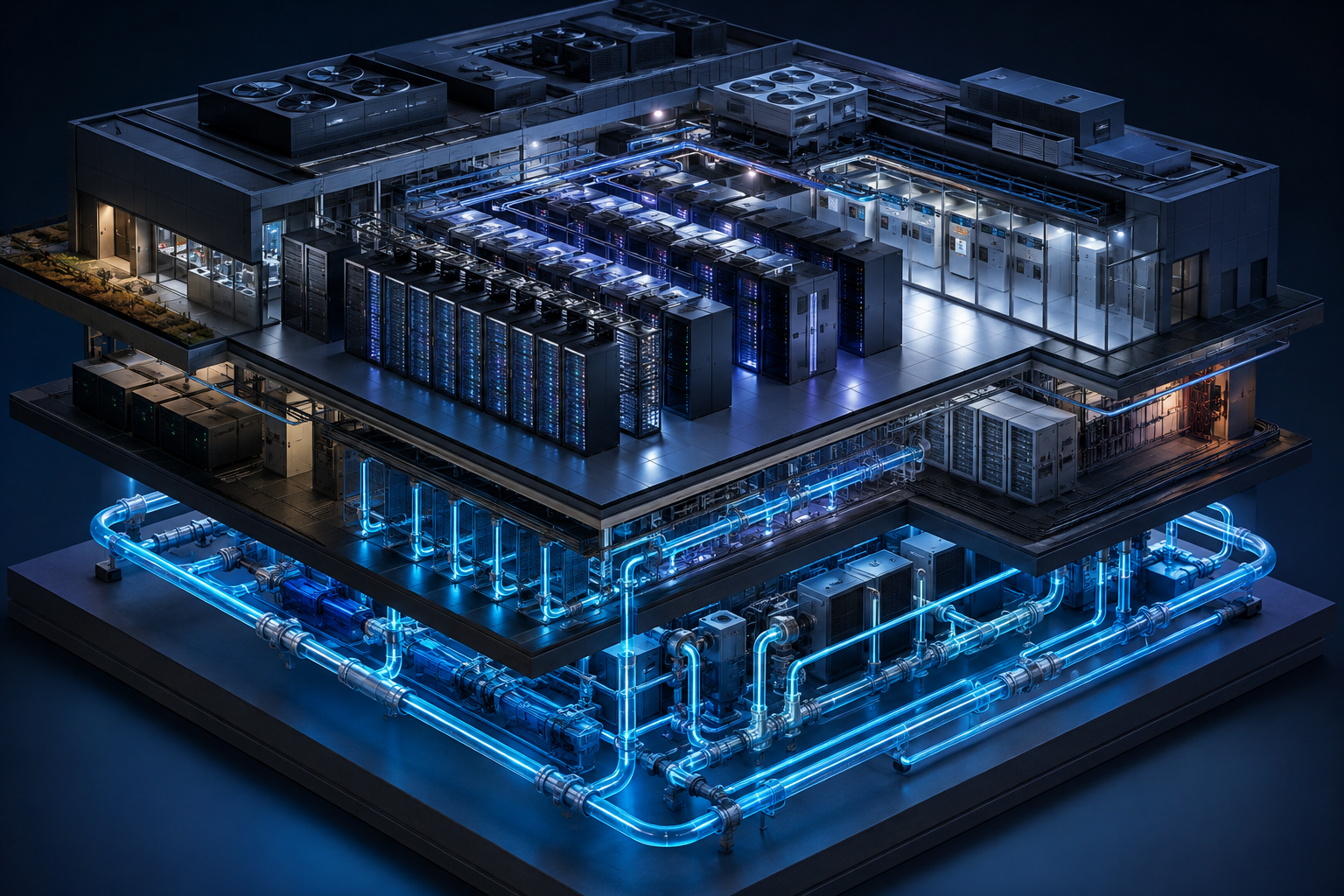
Aeroflex operates in the fluid distribution layer, which acts as the transportation network for cooling fluids inside a data center.
After the cooling system removes heat from servers and GPUs, the coolant must be safely transported through an interconnected network of insulated pipes, hoses, fittings, and flow-control components before it can circulate back to absorb more heat. This continuous circulation keeps temperatures within the operating range required by high-performance computing equipment.
Although this layer receives far less attention than AI chips or servers, it plays a critical role in the overall efficiency of the facility. If coolant cannot flow reliably, heat builds up rapidly inside GPU racks. Excessive temperatures can force processors to reduce their clock speeds (thermal throttling), increase electricity consumption as cooling systems work harder, and, over time, shorten the lifespan of expensive hardware.
As AI workloads become more power-intensive, efficient fluid distribution is becoming increasingly important. Modern AI servers consume several times more power than traditional enterprise servers, generating much higher heat loads that require advanced liquid-cooling infrastructure instead of conventional air cooling.
Why Has Cooling Become One of the Biggest Challenges?
The rapid adoption of AI has significantly increased the amount of heat generated inside data centers. Unlike traditional enterprise servers, AI servers use multiple high-performance GPUs that consume much more power, and nearly all of that energy is converted into heat.
As AI clusters become larger and more powerful, conventional air cooling is becoming less efficient. Liquid cooling is emerging as the preferred solution because it removes heat much more effectively, helping data centers reduce energy consumption, lower operating costs, and improve system reliability.
Some of its key advantages include:
- More than 27% lower energy consumption than air cooling.
- Operating cost savings of around 31% - 37%.
- Capital investment can often be recovered within one to three years.
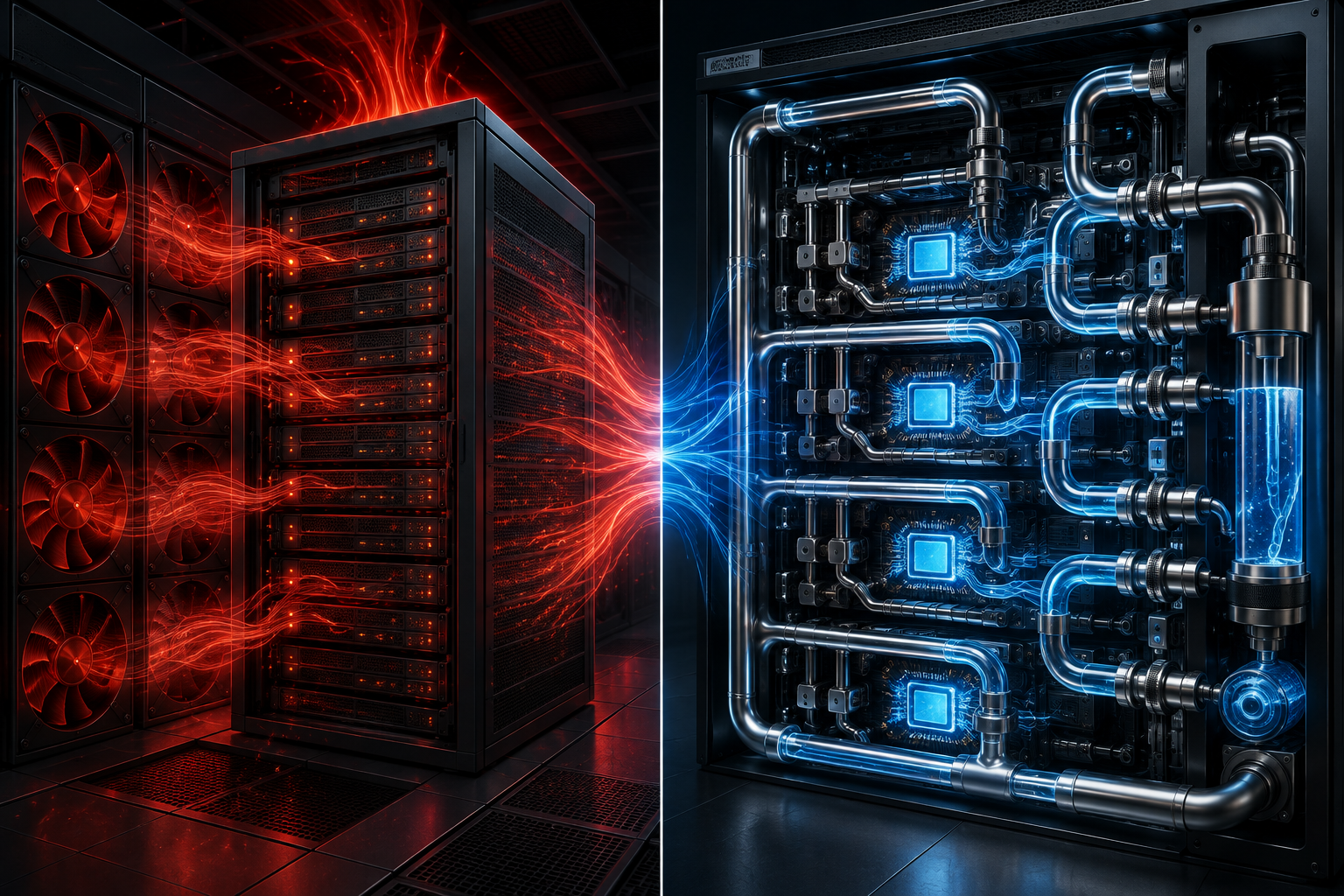
These benefits are making liquid cooling an essential part of next-generation AI infrastructure rather than an optional upgrade.
Why Aeroflex Could Have A Competitive Edge
The opportunity in AI infrastructure is attracting several engineering companies, making it important to understand why Aeroflex could be well positioned to benefit.
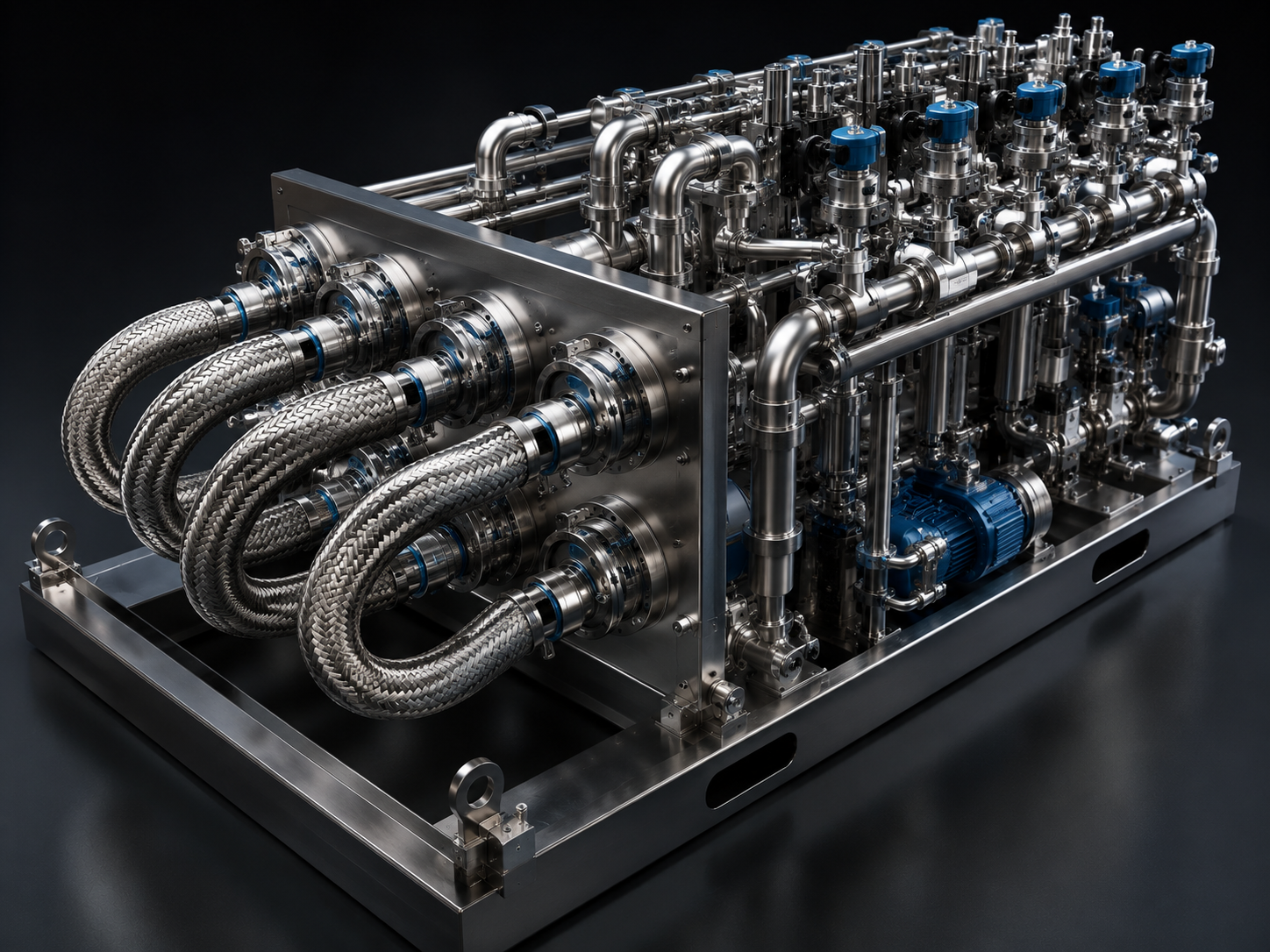
Unlike a standard fabrication business, fluid distribution systems require precision engineering, leak-proof stainless steel assemblies, and the ability to customise solutions for individual customer requirements.
Aeroflex already possesses decades of expertise in manufacturing stainless steel flexible flow solutions, giving it a strong technical foundation as it expands into skid assemblies.
Another advantage is the mission-critical nature of these products.
Once a cooling network is designed around a specific skid assembly and fluid distribution layout, replacing suppliers later can involve redesign costs, fresh testing, and operational risks.
This creates meaningful switching costs and makes customer relationships more valuable over time. While the market is still evolving, Aeroflex's engineering capabilities and manufacturing experience could provide a competitive advantage over companies entering this segment with limited specialised expertise.
The Numbers Show This Business Is Scaling Rapidly
The financial data reflects how quickly this business is expanding.
In FY26:
- SFN Skid Assembly revenue reached ₹21.2 crore, contributing about 5% of total revenue.
By Q1 FY27:
- Revenue from skid assemblies alone increased to ₹32.4 crore.
- Their share of quarterly revenue jumped to 23%.
Unit volumes also accelerated sharply:
| Period | Skids Sold |
| Q3 FY26 | 46 |
| Q4 FY26 | 571 |
| FY26 Total | 617 |
| Q1 FY27 | 1,040 |
The increase is significant because it reflects higher customer adoption rather than merely higher selling prices. Aeroflex sold more skid assemblies in the first quarter of FY27 than it did during the entire previous financial year.
More importantly, the contribution of skid assemblies to total revenue increased from 5% in FY26 to 23% in Q1 FY27, indicating that this business segment is becoming a much larger part of the company's revenue mix. If this trend continues, liquid-cooling infrastructure could emerge as one of Aeroflex's key growth drivers over the coming years.
Revenue Growth Is Only Half the Story
Although revenue growth has attracted most investor attention, the bigger story could be profitability.
Manufacturing businesses typically benefit from operating leverage, where fixed costs such as factories, machinery, and manpower remain relatively stable while production volumes increase. As Aeroflex ramps up skid assembly production, each additional unit sold has the potential to contribute more towards profit than revenue.
This means earnings could grow faster than sales if management successfully improves capacity utilisation.
Investors should therefore focus not only on revenue growth but also on EBITDA margins and operating margins over the next few years, as these metrics will indicate whether the company is converting higher volumes into stronger profitability.
India's Data Center Expansion Creates a Long-Term Opportunity
According to management, India has more than 9 GW of announced data center capacity over the next five years, with roughly 40 skid assemblies required for every megawatt of liquid-cooled IT load.
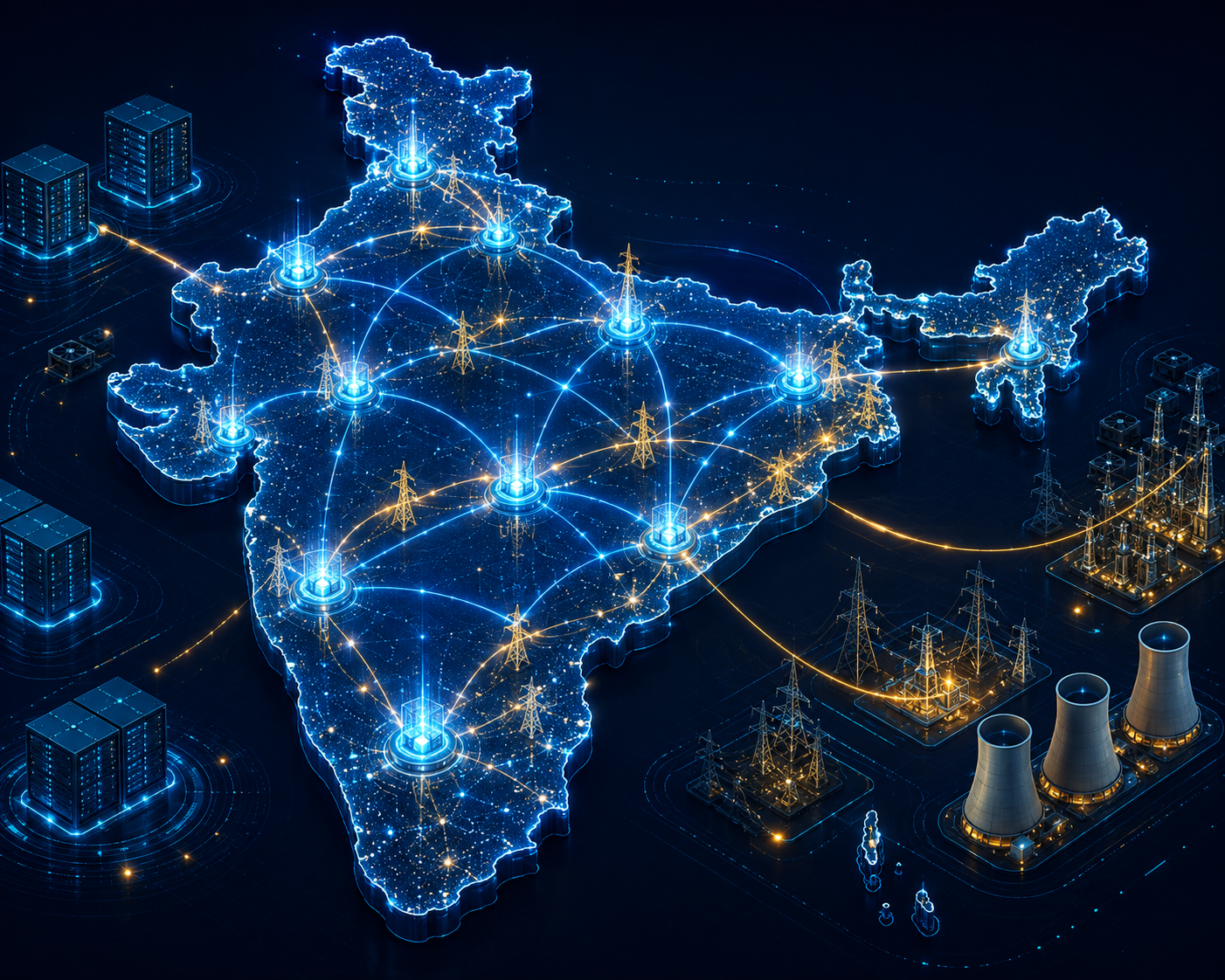
This translates into a potential requirement of nearly 360,000 skid assemblies if the announced capacity is developed using liquid cooling.
While not every project will immediately adopt liquid cooling, the numbers illustrate the scale of the addressable market.
Even capturing a relatively small share of this opportunity could translate into meaningful long-term revenue growth for Aeroflex.
More importantly, every new AI data center requires supporting fluid distribution infrastructure, allowing Aeroflex's addressable market to expand alongside India's AI infrastructure investments.
My Biggest Takeaway
The most interesting aspect of Aeroflex's strategy is that management is expanding capacity well before demand has fully materialised.
This indicates confidence that liquid cooling adoption will accelerate over the coming years. If management's utilisation targets are achieved, skid assemblies could evolve from a relatively small contributor today into one of the company's largest growth drivers.
In that scenario, Aeroflex would no longer be viewed only as an industrial components manufacturer but increasingly as a specialised supplier to the AI infrastructure ecosystem.
Why Is Management Expanding Capacity So Aggressively?
Capacity expansion often signals management's confidence in future demand. Aeroflex plans to increase annual skid assembly capacity from 9,000 units to 15,000 units by Q3 FY27.
Its target is to achieve:
- Around 60% utilisation by the end of FY27.
- 75 - 80% utilisation during FY28.
These utilisation targets are important because manufacturing businesses earn better margins as capacity utilisation increases.
Fixed costs such as factories, machinery, and labour are spread over a larger number of units, improving operating leverage and profitability.
At the targeted utilisation levels, skid assemblies alone could generate approximately ₹325 - 330 crore in annual revenue by FY29.
If management achieves these utilisation targets while AI data center investments continue as expected, the skid assembly business could evolve from a small revenue contributor into one of Aeroflex's major growth engines over the next few years.
You can make the conclusion more analytical by answering the question every investor has: "What should I watch going forward?" instead of only summarizing the story.
But the bigger opportunity lies beyond the individual components. As India’s data-centre capacity expands, the infrastructure supporting these facilities is also evolving - from conventional air cooling to advanced liquid-cooling systems designed to handle much higher computing loads. for more information on data centres, you can watch my video Data Center Stocks in India
Final Thoughts
The long-term investment case for Aeroflex is not simply tied to the growth of AI data centers - it depends on the company's ability to convert that industry opportunity into sustainable earnings growth.
While early financial indicators suggest encouraging customer adoption, the next phase of value creation will depend on execution rather than industry optimism alone.
Going forward, investors should closely monitor skid assembly revenue, capacity utilisation, EBITDA margins, order inflows, and the contribution of the data center business to overall revenue.
Consistent improvement across these metrics would indicate that Aeroflex is successfully transitioning from a traditional industrial flow solutions manufacturer into a specialised supplier for next-generation AI infrastructure.
If management executes well, the company's AI-related business could become a meaningful driver of growth and profitability over the coming years.