Airbus A320/A321 MRO: How Big Is The Opportunity For SIKA Interplant?
When SIKA Interplant announced its partnership with Collins Aerospace to enter the Airbus A320/A321 Maintenance, Repair and Overhaul (MRO) segment, many investors viewed it as just another business update.
However, management's comments during the FY2025 Annual General Meeting suggest that the company sees this as much more than a small side business.
In fact, management described MRO as a strategic focus area and indicated that the Collins Aerospace agreement is intended to be the starting point of a much larger long-term opportunity.
The key question for investors is simple:
How large is the Airbus A320/A321 MRO market, and what could this opportunity mean for SIKA Interplant over the next decade?
The News That Triggered Investor Interest
In FY2025, SIKA Interplant entered into an agreement with Collins Aerospace to provide MRO services for selected Airbus A320 and A321 aircraft components.
This attracted investor attention because it represents SIKA's entry into a large and growing commercial aviation aftermarket opportunity.
Management emphasized that this is not a short-term project but a long-term strategic initiative that could expand over time.
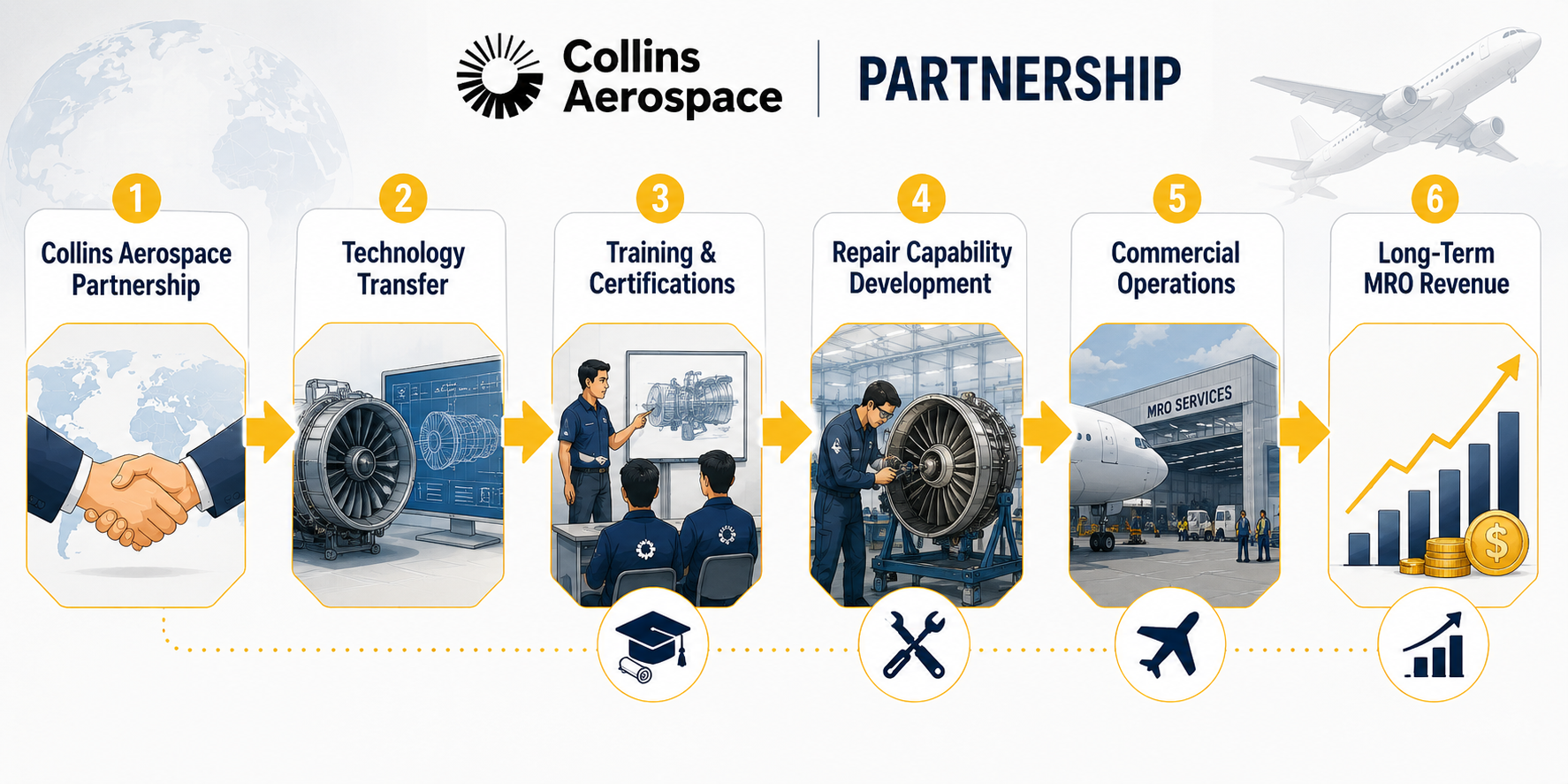
The partnership includes:
- Technology Transfer – Access to specialized repair processes and technical know-how.
- Training – Developing the skills required to service Airbus aircraft components.
- Certifications – Obtaining the approvals needed to perform approved repair work.
- Repair Capability Development – Building the infrastructure and expertise required for long-term MRO operations.
Commercial operations are expected to begin after the necessary certifications, approvals, and facility preparations are completed.
Why The Airbus A320 Family Matters?
To understand the opportunity, investors first need to understand why SIKA is focusing specifically on the Airbus A320 and A321 platforms.
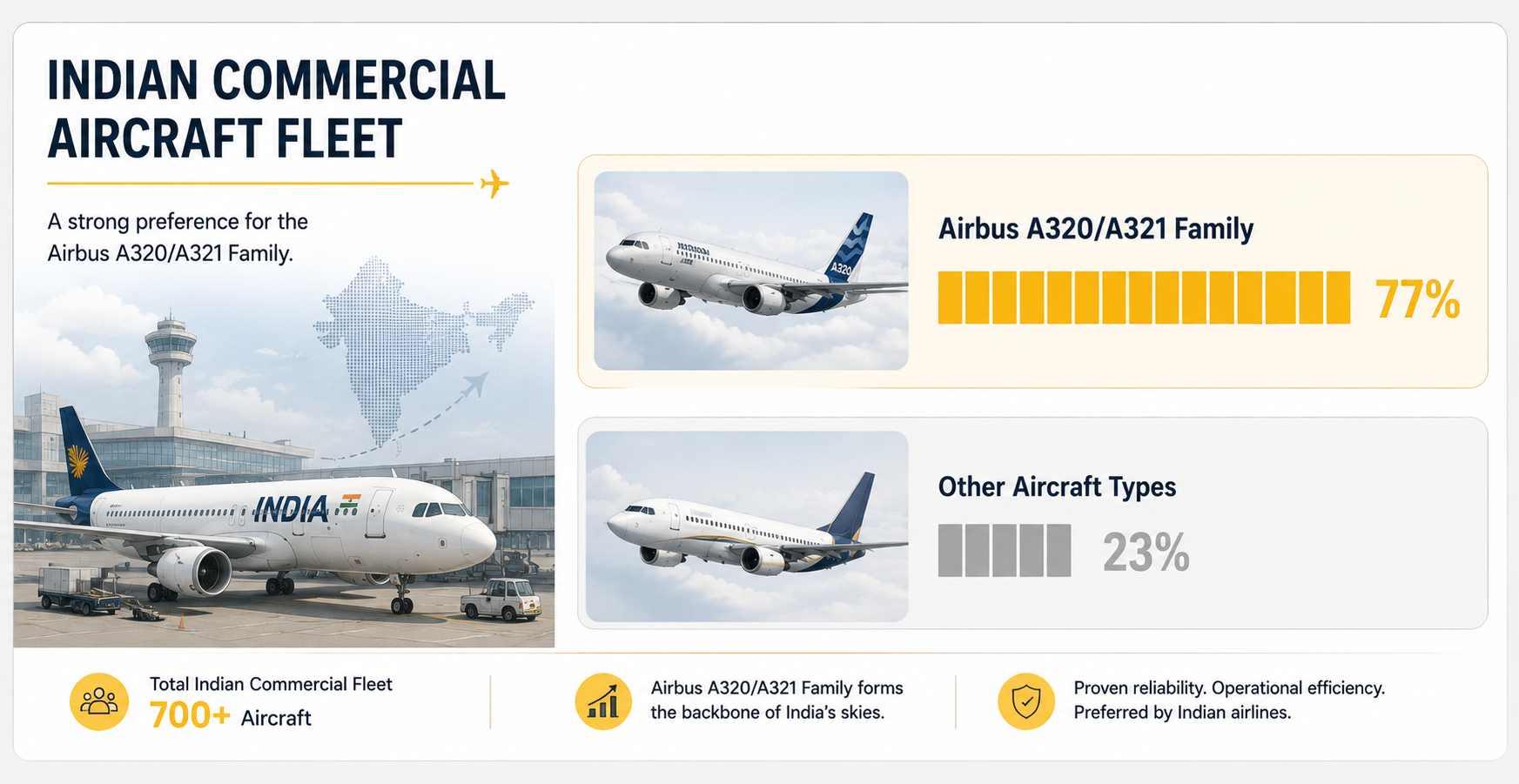
The Airbus A320 family is one of the world's most widely used commercial aircraft families and forms the backbone of short-haul aviation for many global airlines.
In India, its presence is even more significant. Airlines such as IndiGo, Air India, and Akasa Air operate or have ordered large numbers of A320-family aircraft, creating a rapidly expanding installed base.
During its AGM, management highlighted the A320/A321 platform as a strategic focus area due to its widespread adoption in India and the strong fleet growth expected over the coming years.
- Large Installed Base – Thousands of A320-family aircraft are already operating globally, creating a substantial aftermarket opportunity.
- Growing Indian Fleet – Indian airlines continue to place large aircraft orders, expanding the potential customer base for maintenance and support services.
- Recurring Demand – Aircraft require regular maintenance, inspections, repairs, and component replacements throughout their operational life.
- Long-Term Visibility – A larger installed fleet can translate into decades of aftermarket service opportunities rather than one-time revenue streams.
For SIKA, the opportunity is not tied to selling new aircraft. It is tied to servicing a growing fleet of aircraft that will require ongoing maintenance and support for many years.
The Real Driver of MRO Demand
Most investors focus on aircraft orders.
However, new aircraft deliveries are not the primary driver of maintenance revenue.
The real driver is the number of aircraft already in service.
Every operating aircraft requires:
- Scheduled Inspections – Mandatory checks performed at regular intervals to ensure safety and regulatory compliance.
- Component Repairs – Wear and tear creates ongoing demand for repairs throughout an aircraft's life.
- Replacement Parts – Critical components must be replaced periodically to maintain operational reliability.
- Overhauls – Major systems require comprehensive servicing after a certain number of flight hours or cycles.
- Technical Support – Airlines need continuous engineering, troubleshooting, and maintenance assistance.
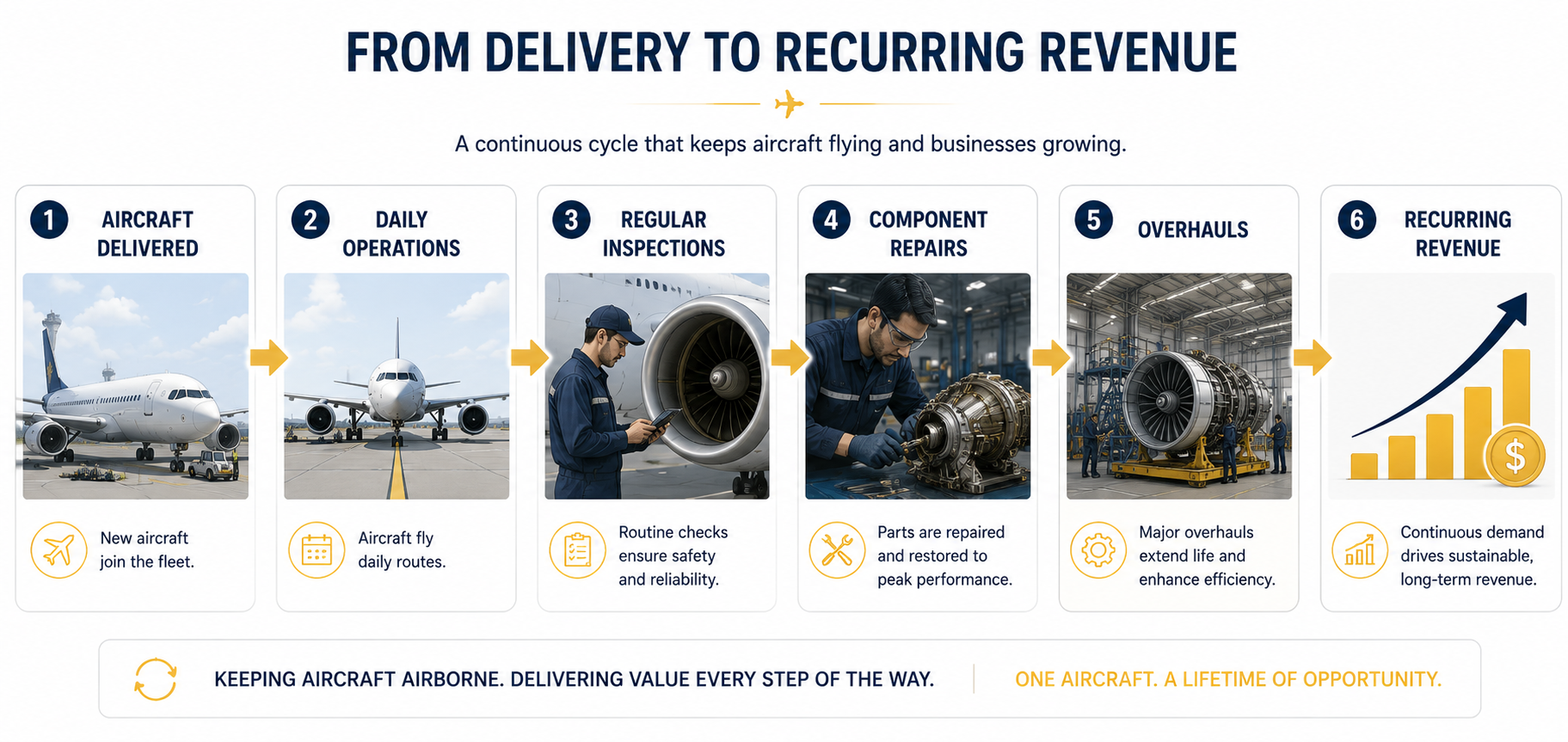
Unlike aircraft manufacturing, which generates revenue only when a new aircraft is delivered, MRO creates recurring demand throughout the aircraft's operating life.
An aircraft can remain in service for 20–30 years, requiring continuous maintenance, inspections, repairs, and upgrades. As a result, a growing aircraft fleet often translates into a growing MRO opportunity for decades.
For companies like SIKA, the key opportunity is not the sale of new aircraft, but the long-term maintenance needs of the thousands of aircraft already flying.
How Large Could The Addressable Market Become?
One of the most interesting insights from the AGM was management's view of the potential market opportunity.
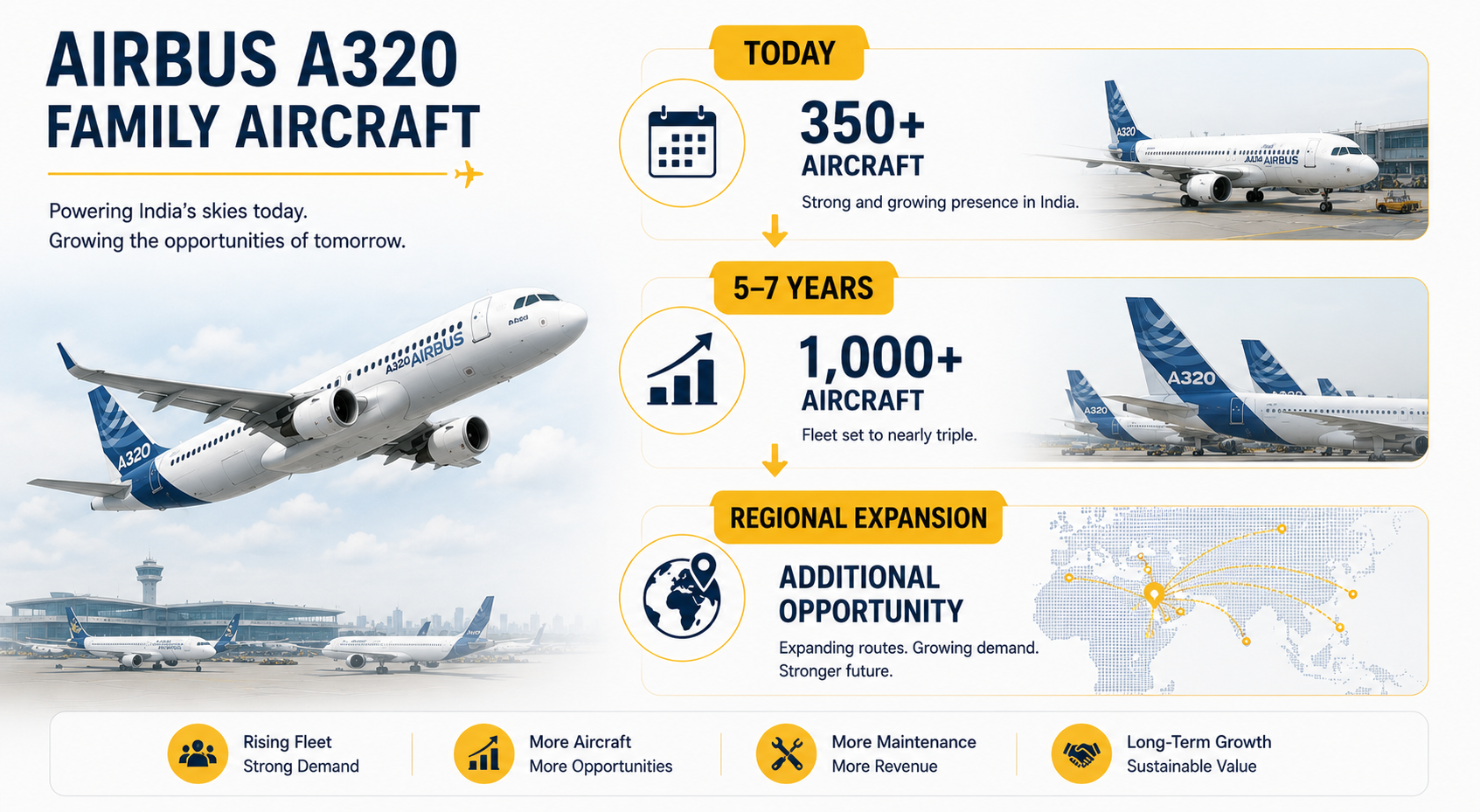
According to management:
- India currently operates over 350 Airbus A320-family aircraft, creating an existing base that requires regular maintenance and component support.
- The fleet could exceed 1,000 aircraft over the next 5–7 years, driven by large aircraft orders from Indian airlines.
- Regional opportunities may also emerge, as airlines in neighboring countries could become potential customers for MRO services.
For MRO businesses, the opportunity is linked to the size of the installed fleet.
A larger fleet means:
- More aircraft requiring regular maintenance and inspections.
- Higher demand for component repairs and overhauls.
- Growing need for replacement parts and technical support.
- A larger recurring revenue opportunity over time.
As the Airbus A320 family fleet expands, the potential market for maintenance and repair services can grow alongside it. For SIKA, this creates an opportunity to participate in a long-term aviation aftermarket rather than relying solely on new aircraft deliveries.
This is important because every additional aircraft added to the fleet eventually creates future maintenance demand.
The growth of the fleet itself effectively expands the future MRO market.
What Exactly Will SIKA Be Repairing?
A common misconception is that SIKA will be maintaining entire aircraft.
That is not the case.
According to management, the Collins Aerospace agreement is currently focused on a specific set of aircraft components rather than complete aircraft maintenance. Management indicated that each Airbus A320-family aircraft contains approximately 20 components that fall within the scope of the current arrangement.
Why This Matters?
- Component-Level Focus – SIKA's initial opportunity is centered on repairing and overhauling specific aircraft components rather than servicing the entire aircraft.
- Specialized Expertise – Aircraft components require technical know-how, certifications, and approved repair processes, creating higher entry barriers.
- Recurring Demand – Components experience wear and tear throughout an aircraft's life and require periodic repair, overhaul, and replacement.
- Scalable Opportunity – As the installed A320 fleet grows, the number of components requiring maintenance can grow proportionally.
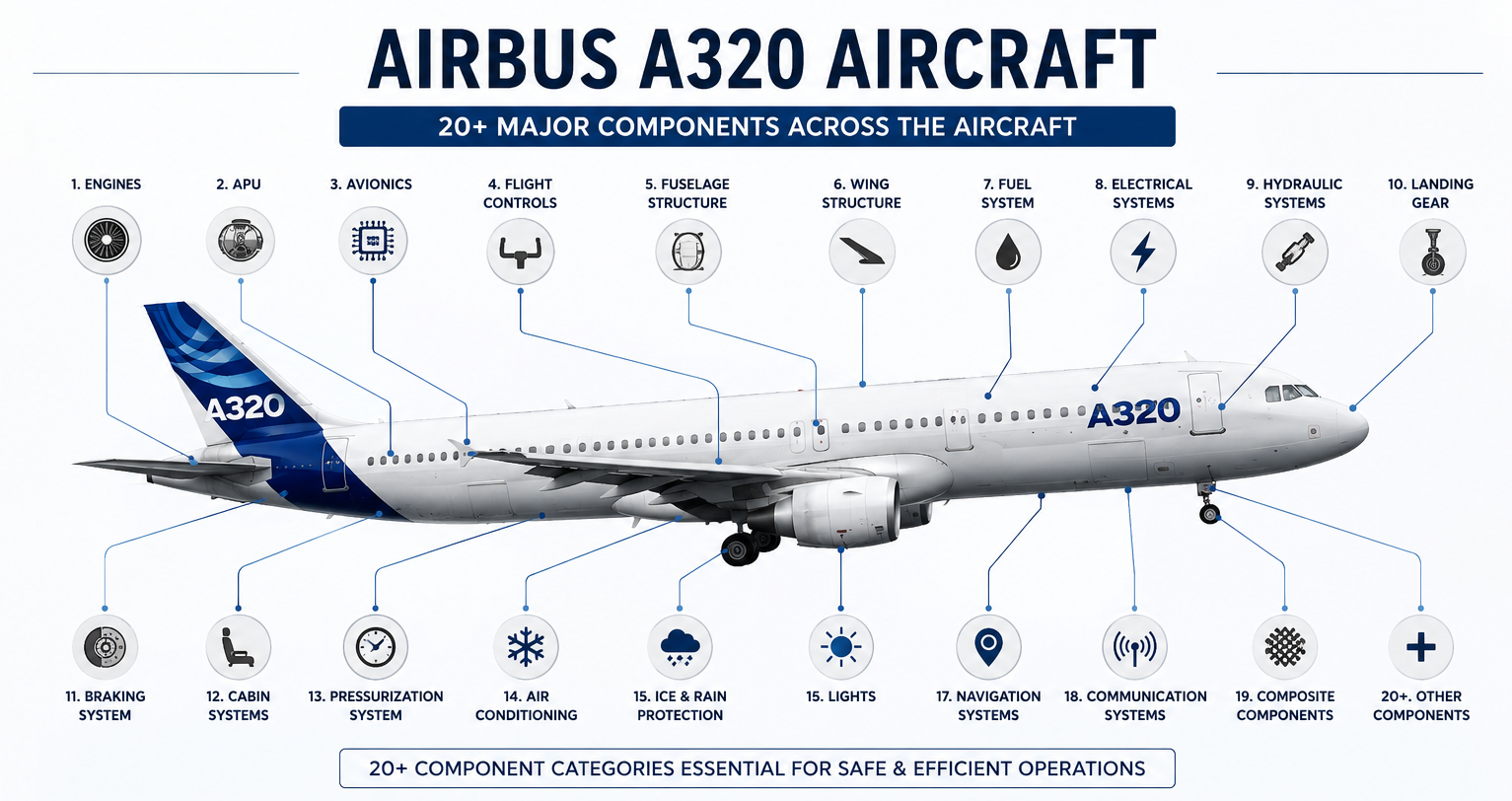
While the current scope is component-level MRO, each aircraft contains multiple eligible components. As fleet sizes increase, even a narrow component-focused opportunity can translate into a sizeable long-term aftermarket business.
Why Management Appears Excited About MRO?
One of the most notable takeaways from the AGM was management's enthusiasm when discussing the MRO opportunity.
Management repeatedly highlighted that:
- MRO Is A Strategic Priority – The company views MRO as an important growth pillar rather than a supporting business segment.
- Collins Aerospace Is The Starting Point – The current agreement represents an entry into a much larger aviation aftermarket opportunity.
- Capabilities Will Expand Over Time – SIKA intends to gradually build additional repair, overhaul, and servicing capabilities.
- Future Opportunities Could Broaden The Scope – Management indicated that opportunities may emerge beyond the current product family and repair program.
Why It Matters?
The significance is not just the current contract.
The bigger opportunity lies in the capabilities, certifications, customer relationships, and technical expertise that SIKA can build through this partnership.
The Key Insight
Management does not appear to view MRO as a side business.
Instead, the company seems to be positioning MRO as a long-term growth engine alongside its engineering services, aerospace products, and system integration businesses. If successful, MRO could become an increasingly important contributor to future revenue and profitability.
Why MRO Is Different From Traditional Engineering Revenue?
SIKA's traditional businesses include:
- Engineering Services
- Aerospace Products
- System Integration
Most of these businesses are project-based.
A contract is won, the work is completed, and the revenue cycle largely ends.
MRO operates differently.
Aircraft components require regular inspections, repairs, overhauls, and servicing throughout their operational life.
Why It Matters?
- Recurring Demand – Maintenance requirements continue for years after the original equipment is delivered.
- Long-Term Customer Relationships – Airlines and operators often work with approved repair providers repeatedly.
- More Predictable Revenue Streams – MRO demand is driven by aircraft usage rather than new project wins.
- Growing Installed Base – As more aircraft enter service, the pool of components requiring maintenance expands.

Engineering revenue is often tied to winning the next project.
MRO revenue is tied to supporting equipment that is already in operation.
This makes MRO potentially more recurring in nature and creates opportunities for long-term customer relationships that can last throughout an aircraft's service life.
How Big Could This Become For SIKA?
Investors should avoid jumping straight to revenue projections. The MRO business is still in its early stages, and management has indicated that it currently contributes only a small portion of revenue. The more important question is not how much revenue MRO generates today.
The real question is whether SIKA can successfully build the capabilities needed to participate in a much larger market over time.
Key milestones include:
- Repair Capabilities – Expanding the range of components the company can service and overhaul.
- Certifications & Approvals – Obtaining the regulatory clearances required to perform additional MRO work.
- Customer Relationships – Building trust with airlines, OEMs, and aviation operators.
- Additional Product Approvals – Expanding beyond the current component scope and addressing a larger portion of the aftermarket.
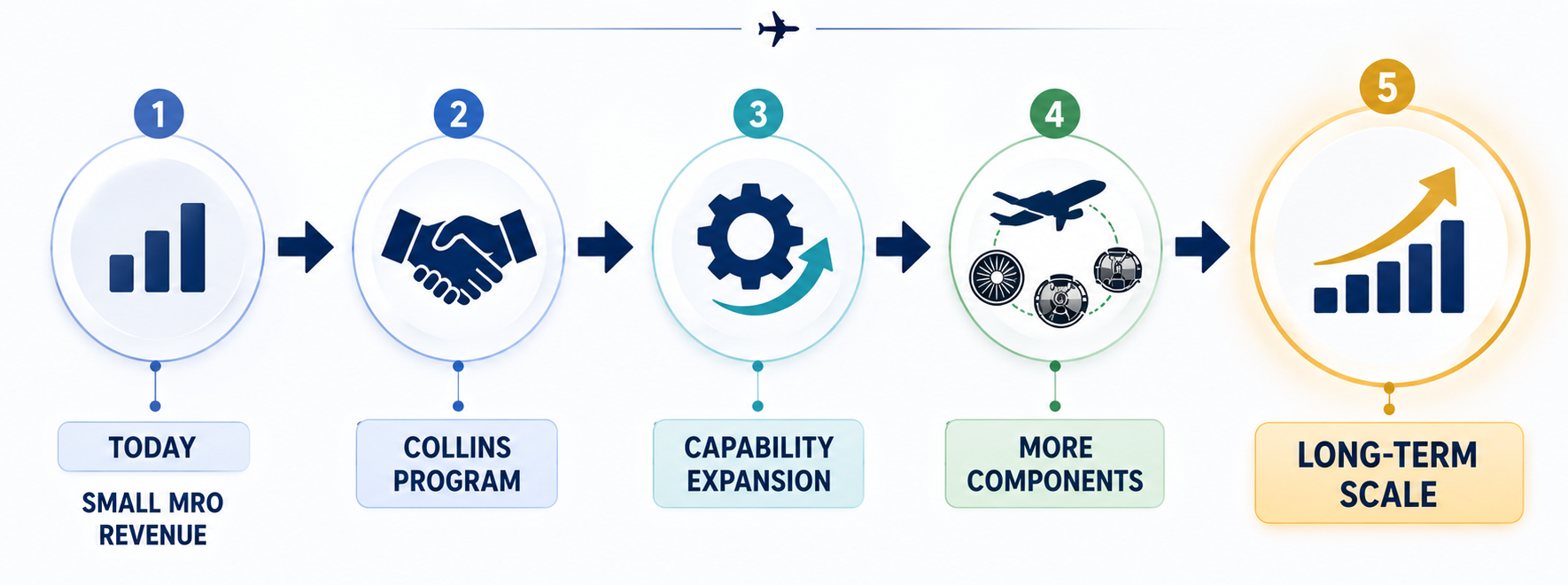
The investment case is not based on current MRO revenue.
It is based on whether SIKA can gradually build the certifications, capabilities, and customer relationships needed to become a larger participant in the growing aircraft maintenance ecosystem over the next several years.
What Investors Should Monitor Going Forward?
The success of this opportunity will depend more on execution than announcements.
Operational Indicators
- Components Under Coverage – Growth in the number of aircraft components approved for repair and overhaul.
- New Approvals & Certifications – Additional certifications can expand the scope of MRO services offered.
- Capability Expansion – Development of new repair, testing, and maintenance infrastructure.
- Customer Additions – New airline, OEM, or aerospace customers can validate SIKA's MRO capabilities.
Financial Indicators
- MRO Revenue Contribution – Rising MRO revenue would indicate increasing commercial traction.
- Maintenance-Related Order Inflow – Growth in maintenance contracts can provide visibility into future business.
- MRO Margins – Investors should monitor whether the segment delivers attractive profitability as it scales.
The Key Insight
Investors should focus less on headlines and more on measurable progress. Growing certifications, expanding capabilities, new customers, and rising MRO revenue will provide stronger evidence of long-term success than announcements alone.
Conclusion
At first glance, SIKA Interplant's Airbus A320/A321 MRO entry may appear to be a routine business development.
However, management commentary suggests that the company views this opportunity quite differently.
The Collins Aerospace partnership provides access to technology, training, certifications, and repair capabilities within one of the world's largest commercial aircraft platforms.
More importantly, it gives SIKA a foothold in a business that benefits from recurring demand rather than one-time project revenue.
Today, the contribution is small.
But if the company successfully expands its capabilities, adds new product families, and participates in the maintenance requirements of a growing Airbus A320 fleet, the long-term opportunity could become significantly larger than its current size suggests.
For investors, the most important thing to monitor is not the first year of revenue.
It is whether SIKA can convert this initial partnership into a broader and more scalable MRO platform over the next decade.