Kovai Medical Center & Hospital: Understanding the Key Growth Drivers Behind the Next Phase of Growth
India's healthcare sector is undergoing a structural transformation. Rising incomes, increasing insurance penetration, growing awareness of preventive healthcare, and a rapidly aging population are driving demand for quality healthcare services across the country. At the same time, India continues to face a shortage of hospital beds relative to developed nations, creating long-term opportunities for well-managed hospital operators.
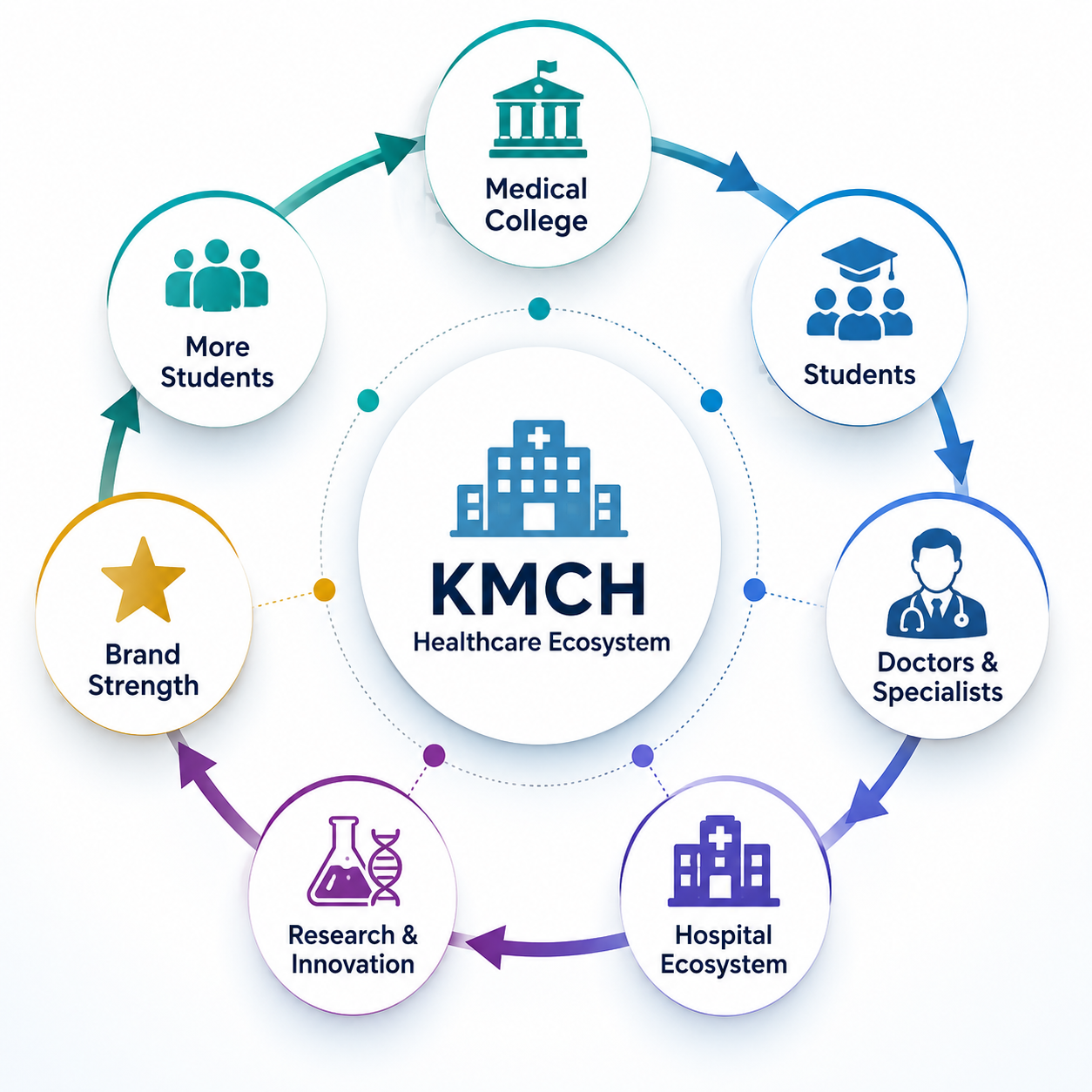
Among regional healthcare providers, Kovai Medical Center & Hospital (KMCH) has established itself as one of South India's leading healthcare institutions. What began as a single hospital in Coimbatore has evolved into a diversified healthcare ecosystem encompassing tertiary care hospitals, specialty centers, medical education, research, and advanced clinical services.
Over the past two years, the company has accelerated its growth plans through major capacity expansions, investments in advanced medical technologies, geographic diversification into Chennai, and expansion of its medical education segment.
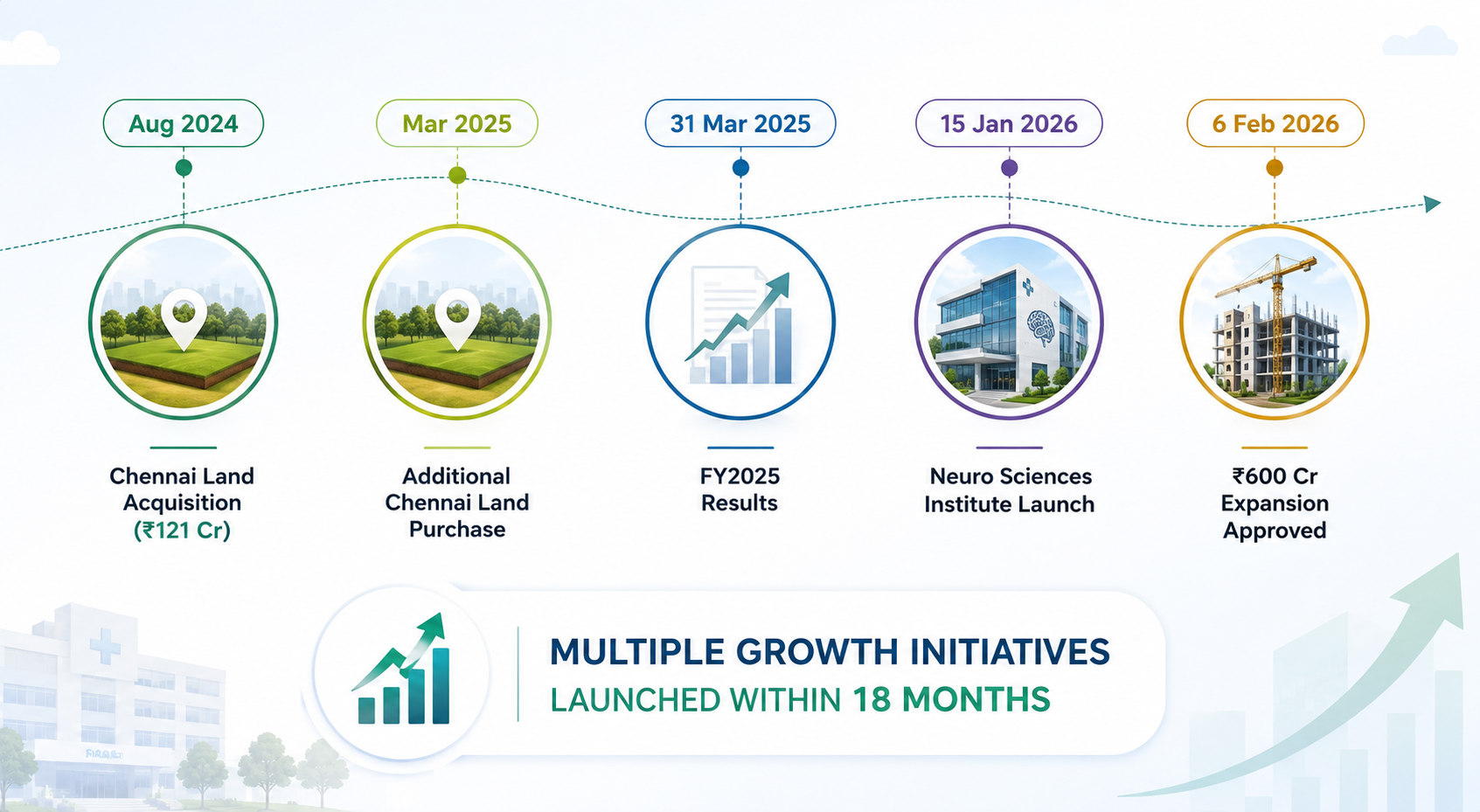
For investors, the key question is whether these initiatives can translate into sustained revenue growth, margin expansion, and higher returns on capital over the next decade.
Let's examine the major growth drivers in detail.
Growth Driver 1: ₹600 Crore Capacity Expansion and Infrastructure Development
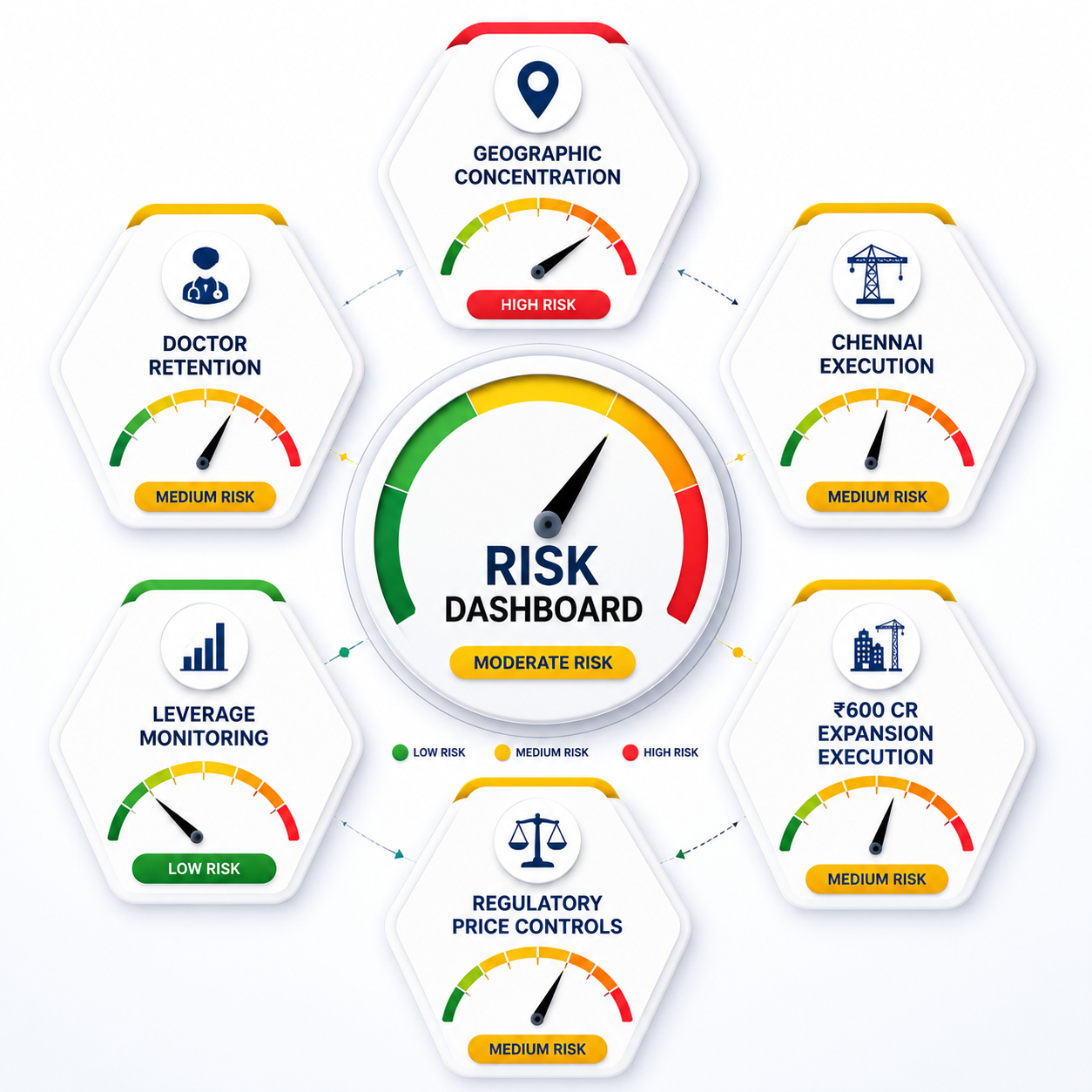
The most significant growth announcement in KMCH's recent history came on 6 February 2026, when the Board approved two major expansion projects involving a combined investment of approximately ₹600 crore.
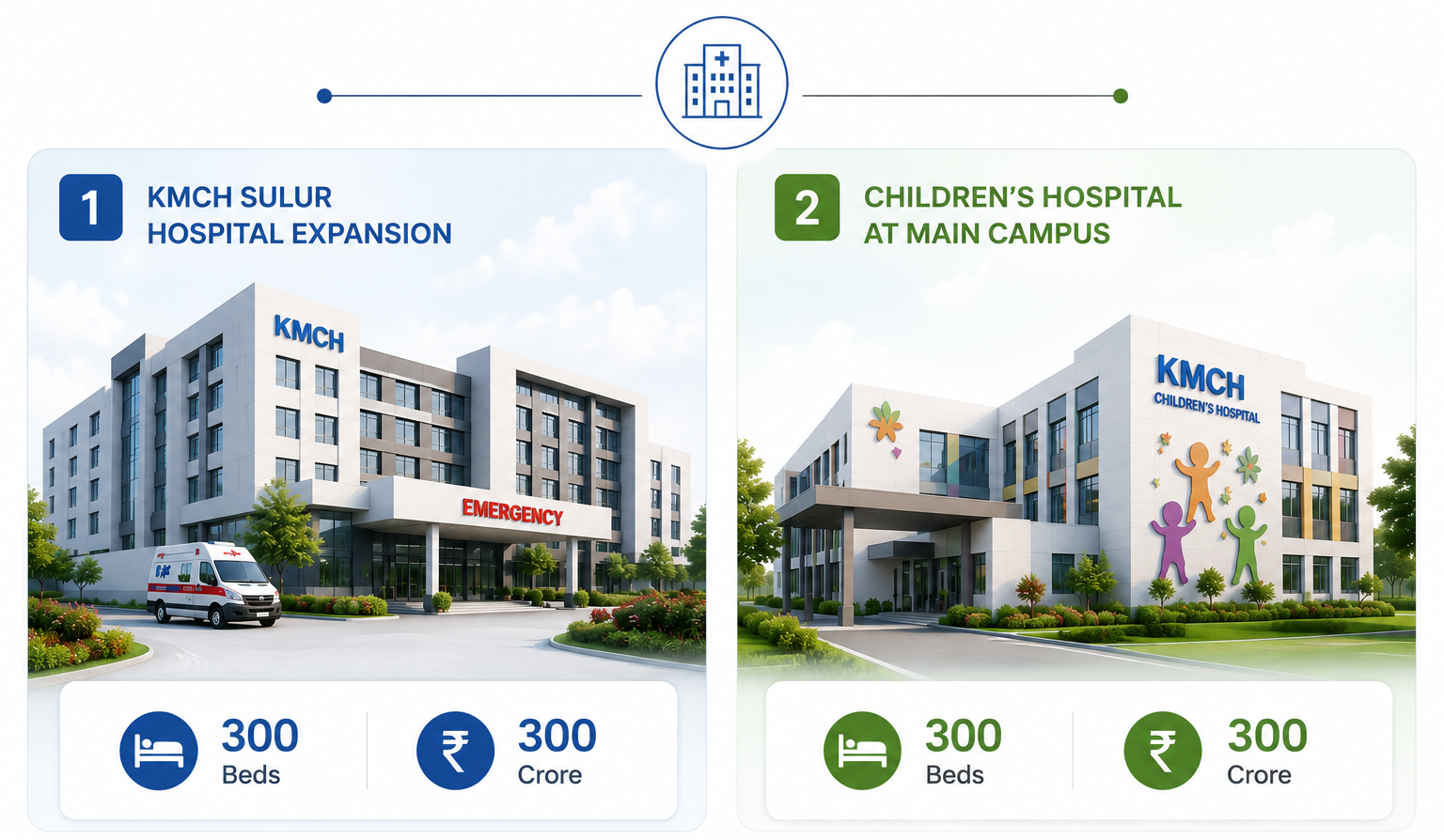
At first glance, this may appear to be a simple increase in hospital capacity. However, from an investor's perspective, this announcement has much deeper implications.
Healthcare is fundamentally a capacity-driven business. A hospital's ability to grow over long periods depends largely on the number of beds, operating theatres, ICUs, diagnostic centers, and specialists it can deploy.
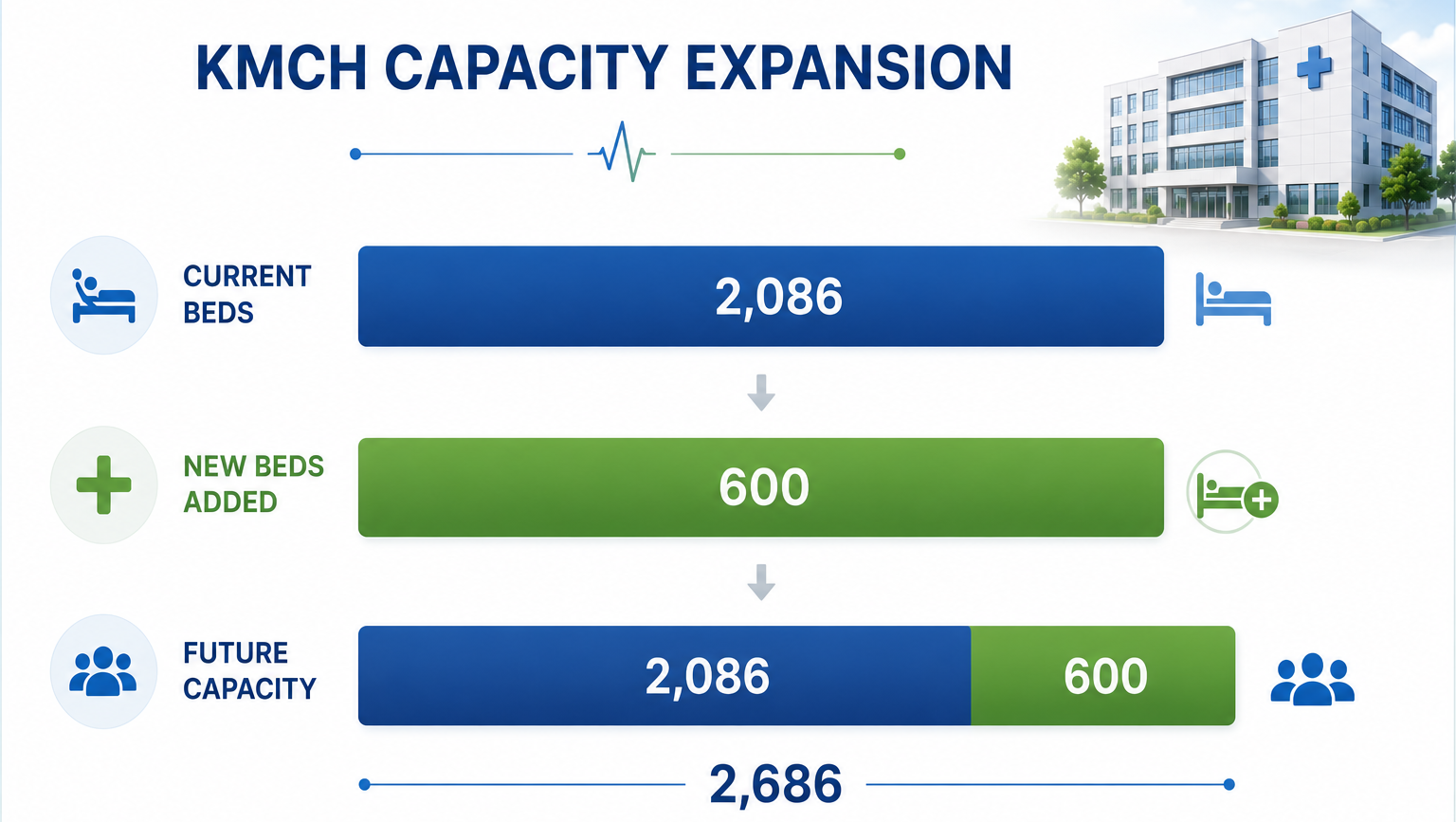
As of December 2025, KMCH operated approximately 2,086 beds across its network. The addition of 600 beds therefore represents capacity growth of nearly 29%.
This is substantial.
Many listed hospital chains spend years adding similar levels of capacity. The fact that KMCH is undertaking both projects simultaneously suggests management is confident about long-term healthcare demand in its catchment areas.
Why Sulur Matters?
Management specifically stated that the Sulur expansion is intended to meet rising inpatient and outpatient demand.
This is important because expansion driven by actual demand is generally less risky than speculative expansion.
The Sulur facility currently has 109 beds. After expansion, it will become a much larger healthcare center capable of handling significantly higher patient volumes.
This could allow KMCH to:
- Reduce patient overflow at existing facilities
- Improve regional market penetration
- Expand specialty services
- Capture demand from nearby districts
- Increase surgical volumes
Hospitals typically generate higher revenue from inpatient admissions than outpatient visits. Consequently, increasing bed capacity often has a direct impact on future revenue potential.
Why the Children's Hospital Could Become a Strategic Asset?
The second component of the expansion is a dedicated 300-bed Children's Hospital.
Pediatric healthcare is becoming increasingly specialized. Modern children's hospitals require neonatal ICUs, pediatric surgery departments, pediatric cardiology, pediatric oncology, and specialized support infrastructure.
Such facilities are difficult to replicate because they require highly trained specialists and dedicated equipment.
As a result, specialized pediatric hospitals often attract referrals from a much larger geographic area than general hospitals.
For KMCH, this project could strengthen its position as a referral center for advanced pediatric care across Tamil Nadu and neighboring states.
The Operating Leverage Opportunity
Perhaps the most important investment implication is operating leverage. Hospital infrastructure involves significant fixed costs. Whether a bed is occupied or vacant, the hospital still incurs expenses related to buildings, equipment, maintenance, and administrative functions.
As occupancy increases, revenue tends to grow faster than costs. This creates a powerful earnings effect.
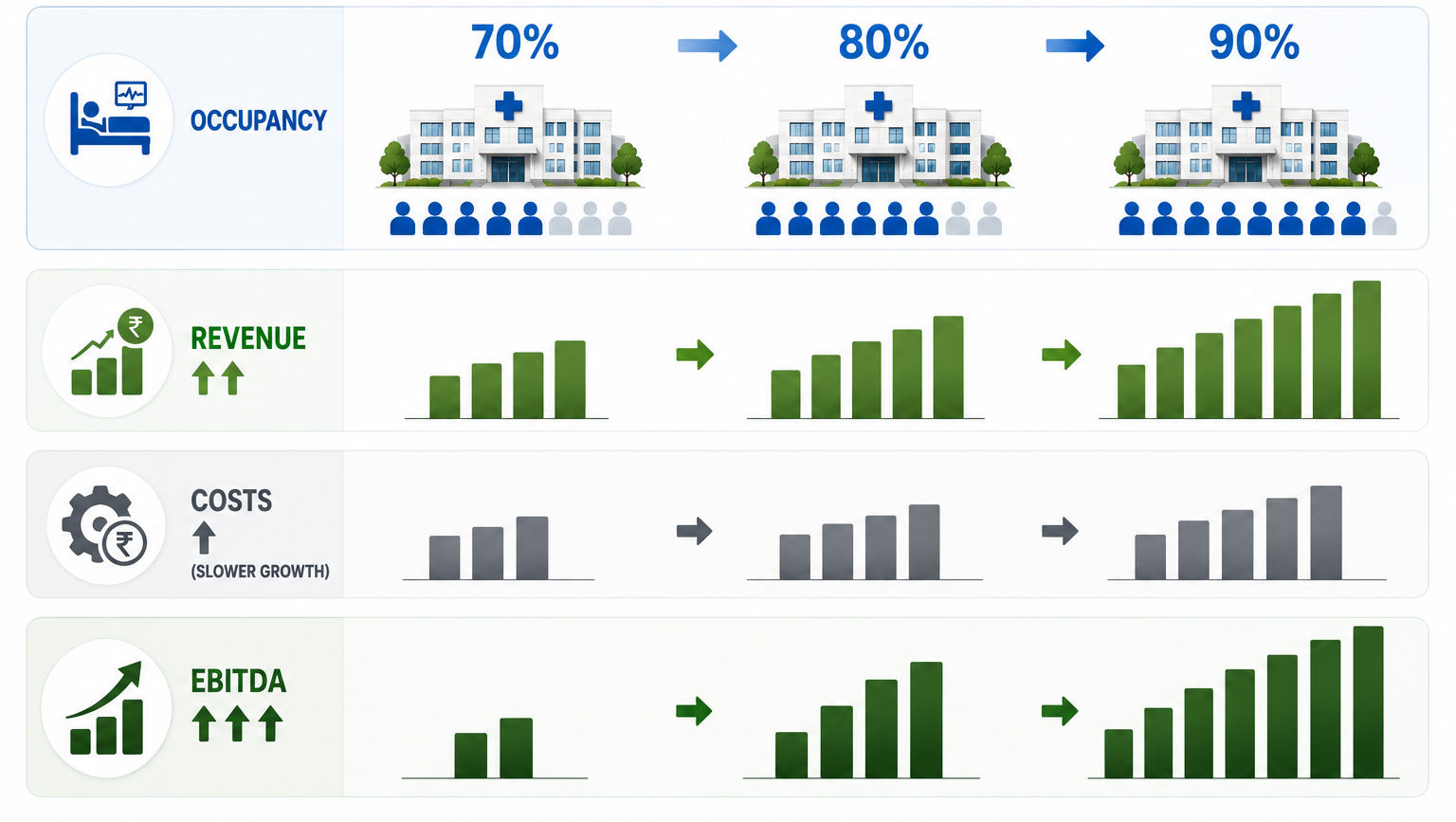
A small increase in occupancy can create a disproportionate increase in EBITDA.
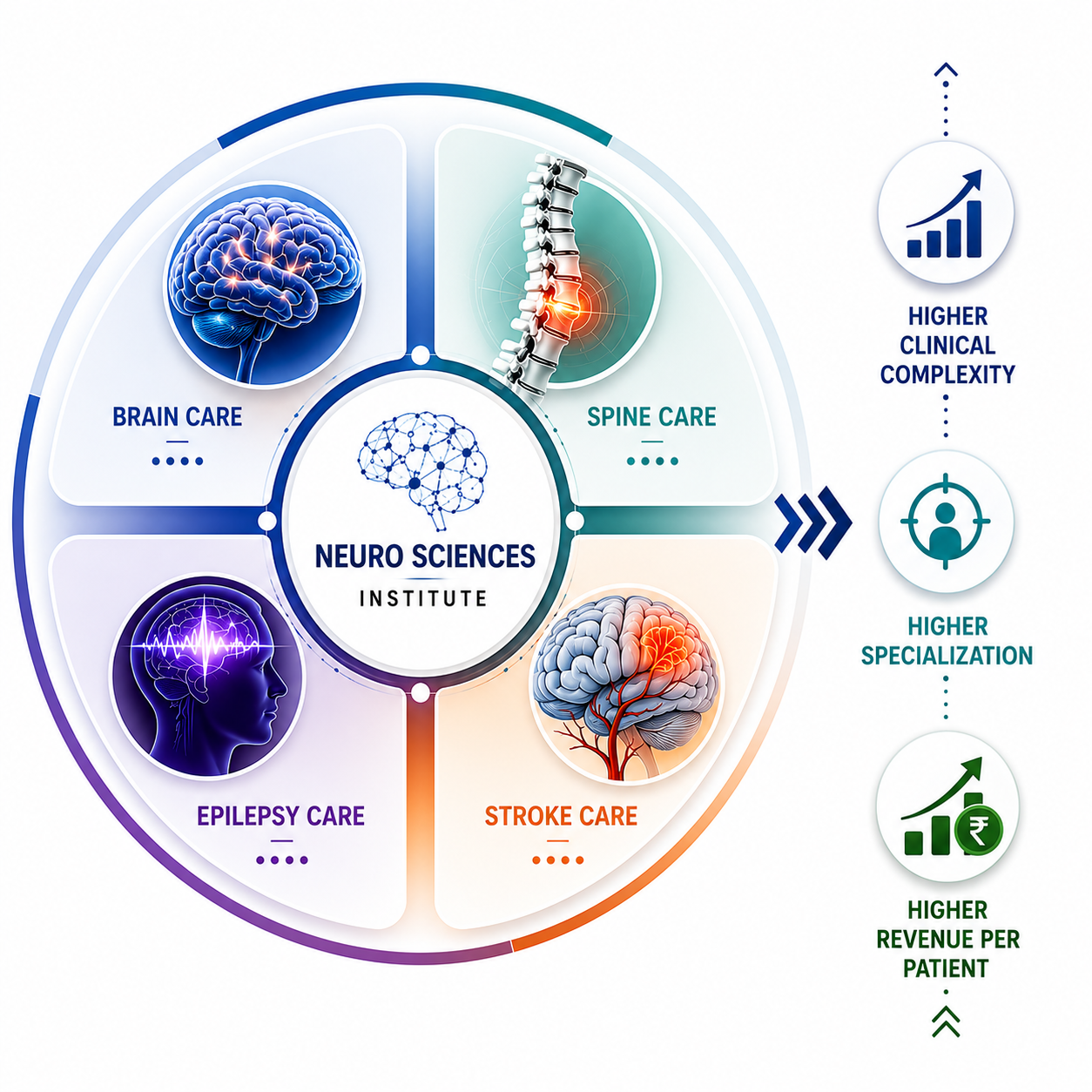
Growth Driver 2: Neuro Sciences Institute and Advanced Neurology Services
Why Chennai Is Important?
Chennai is one of India's largest and most established healthcare markets. The city has developed into a major medical hub over several decades and is home to numerous multi-specialty and tertiary-care hospitals.
The city serves:
- Tamil Nadu Residents – Providing healthcare services to a large urban and regional population.
- Patients From Neighboring States – Attracting patients from Kerala, Andhra Pradesh, Karnataka, and other nearby regions seeking specialized treatment.
- International Medical Tourists – Drawing patients from countries across Asia, the Middle East, and Africa for advanced medical procedures.
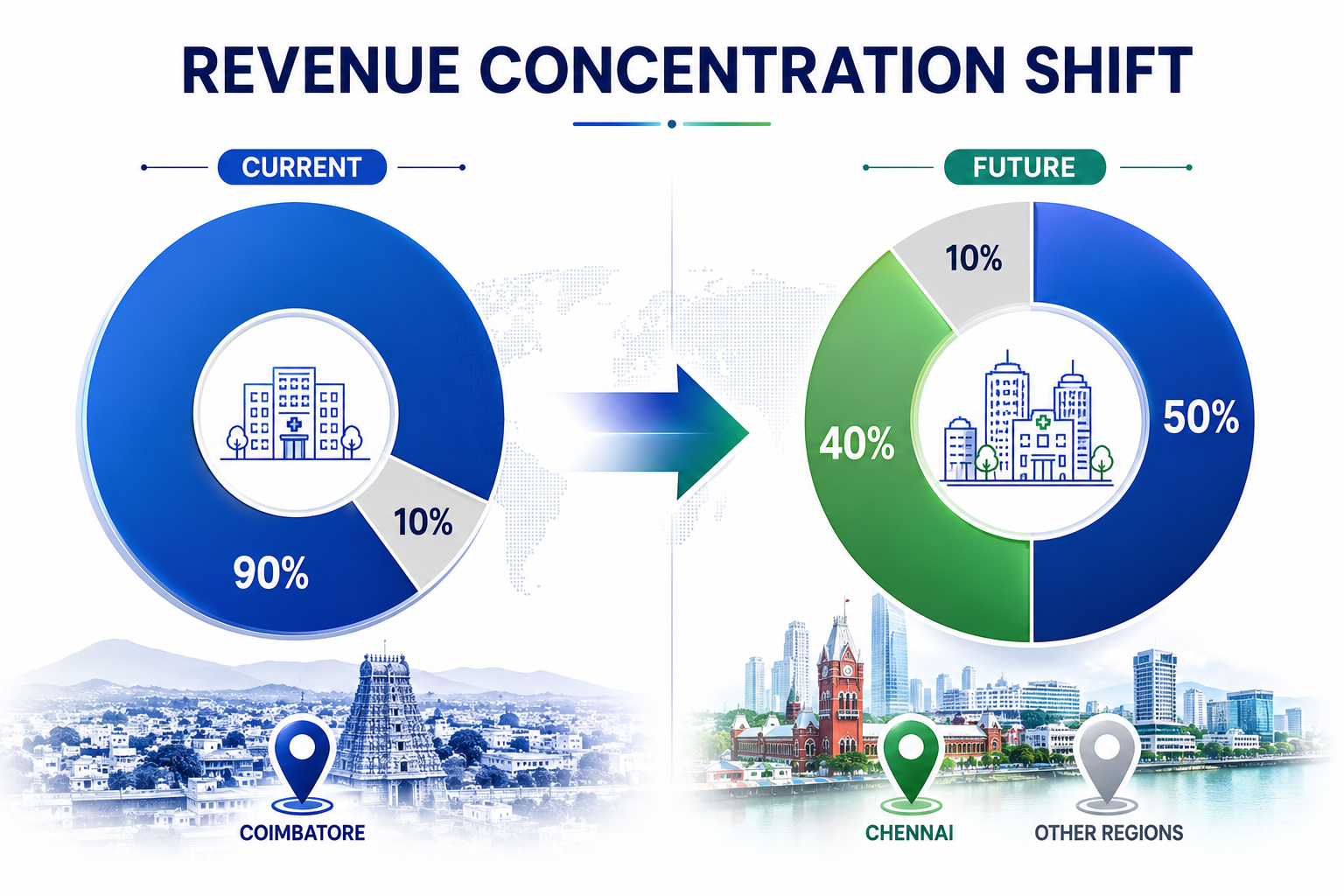
This broad patient catchment area makes Chennai an attractive market for healthcare providers. A successful presence in the city could significantly expand KMCH's addressable market and create opportunities to attract patients beyond its traditional Coimbatore base.
Growth Driver 4: Clinical Technology Leadership and Advanced Medical Infrastructure
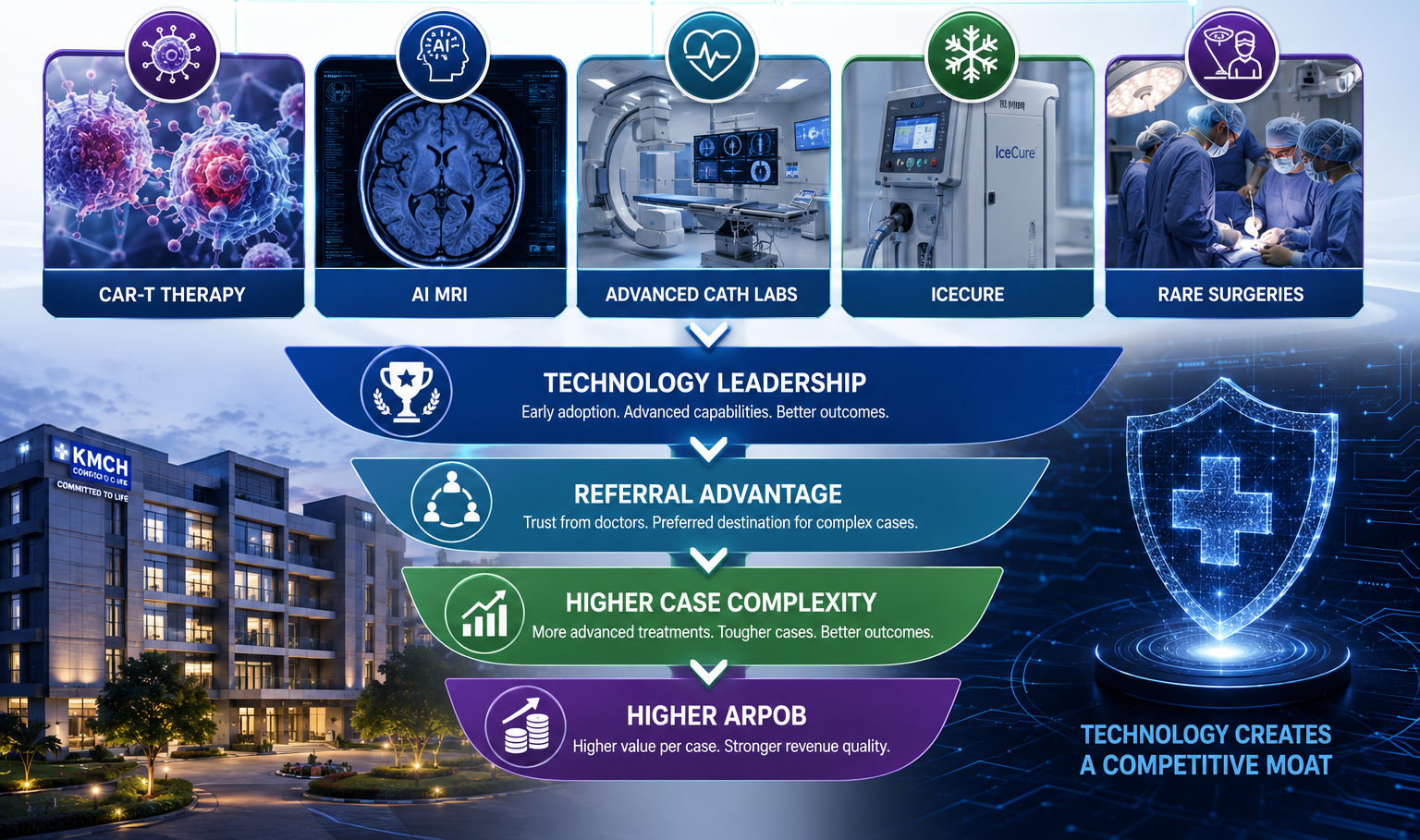
Healthcare is increasingly shifting toward specialized, technology-driven treatments that require advanced infrastructure and clinical expertise. Hospitals that invest early in these capabilities can strengthen their competitive position and attract more complex cases.
KMCH has consistently focused on building advanced clinical capabilities across multiple specialties, helping differentiate its offerings from many regional healthcare providers.
Examples include:
- CAR-T Cell Therapy – A highly advanced cancer treatment that uses genetically modified immune cells to target specific cancers.
- AI-Powered MRI – Advanced imaging technology that can improve scan quality, enhance diagnostic accuracy, and potentially reduce scan times.
- Advanced Cath Labs – Specialized facilities used for complex cardiac and vascular procedures.
- IceCure Cryoablation – A minimally invasive treatment that destroys tumors using controlled freezing technology.
- Complex Transplants – High-acuity procedures that require multidisciplinary expertise, specialized infrastructure, and long-term patient management.
These technologies are important because they expand KMCH's ability to treat higher-complexity conditions that often require specialized care. They can also enhance the hospital's reputation, attract experienced clinicians, and strengthen its position in tertiary and quaternary healthcare segments.
From a business perspective, advanced clinical capabilities may support higher patient realizations, improve case complexity, and help KMCH compete more effectively in an increasingly technology-driven healthcare landscape.
Growth Driver 5: Strong FY2025 Financial Performance and Balance Sheet Strength
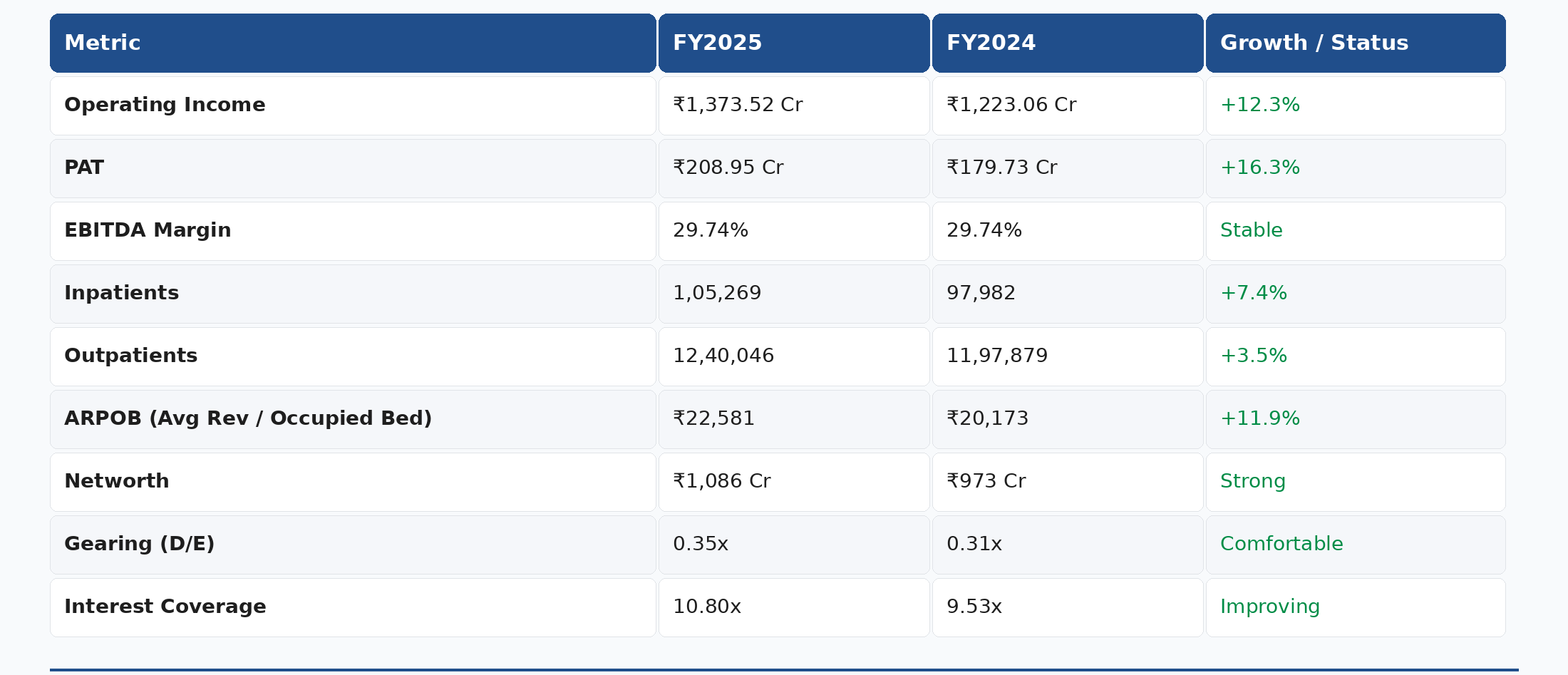
Financial strength is often an overlooked growth driver. Expansion plans, new specialty institutes, technology investments, and capacity additions all require capital. KMCH's FY2025 performance suggests the company is entering this investment phase from a position of financial strength.