Top Hospital Chains in India by Bed Capacity
India's hospital sector is emerging as one of the most structurally strong and long-term growth industries in the country. As we analyse the Top Hospital Chains in India by Bed Capacity, it becomes clear that this growth is driven by an aging population, rising health insurance penetration, increasing lifestyle diseases, and growing medical tourism, which are pushing private hospital chains to rapidly expand their footprint across India.
Currently, the Indian private hospital market is valued at around $122 billion and is expected to reach nearly $200 billion by 2030, implying an annual growth rate of about 10% in dollar terms. Unlike short-term cyclical sectors, hospitals offer clear long-term visibility, making them suitable for investors with a 15–25 year horizon.
One of the most important metrics to evaluate hospital chains is bed capacity, as it directly reflects scale, operational strength, and future growth potential.
Why Bed Capacity Matters in Hospital Stocks?
Bed capacity is not just about size but it plays a central role in a hospital's financial performance.
Higher bed capacity allows hospitals to:
- Serve larger patient volumes
- Benefit from operating leverage
- Improve margins as occupancy rises
- Capture long-term demand from insurance-led growth
India currently has only 13 hospital beds per 10,000 people, compared to a global average of 29, clearly indicating massive capacity expansion potential. When bed expansion is supported by healthy ARPOB (Average Revenue Per Occupied Bed) and optimal occupancy rates (60-70%), it becomes a powerful earnings driver.
Watch Our Video on Healthcare Sector Analysis
Top Hospital Chains in India by Bed Capacity
Apollo Hospitals Enterprise Ltd
Source: Wikipedia
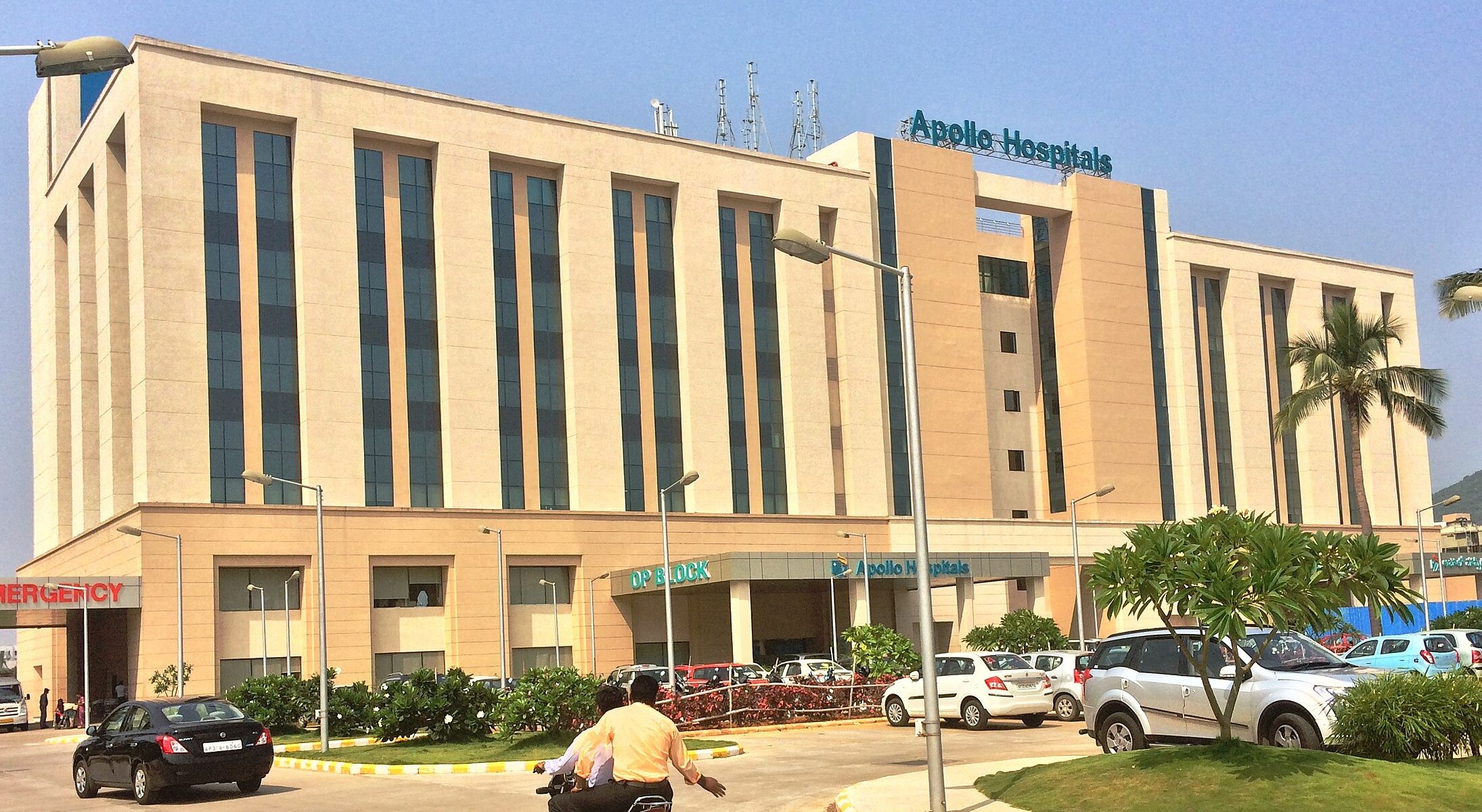
Apollo Hospitals is the largest private hospital chain in India by bed capacity, operating 73 hospitals with approximately 9,483 beds. The company follows an asset-heavy ownership model, owning its land and buildings, which provides long-term stability and strong entry barriers.
With an ARPOB of ₹55,000, Apollo focuses on complex procedures such as cardiology, oncology, and transplants. The company plans to add 3,657 new beds, further strengthening its leadership position. Apollo's scale, brand trust, and pan-India presence make it a cornerstone of the Indian hospital ecosystem.
Max Healthcare Institute Ltd
Source: Wikipedia
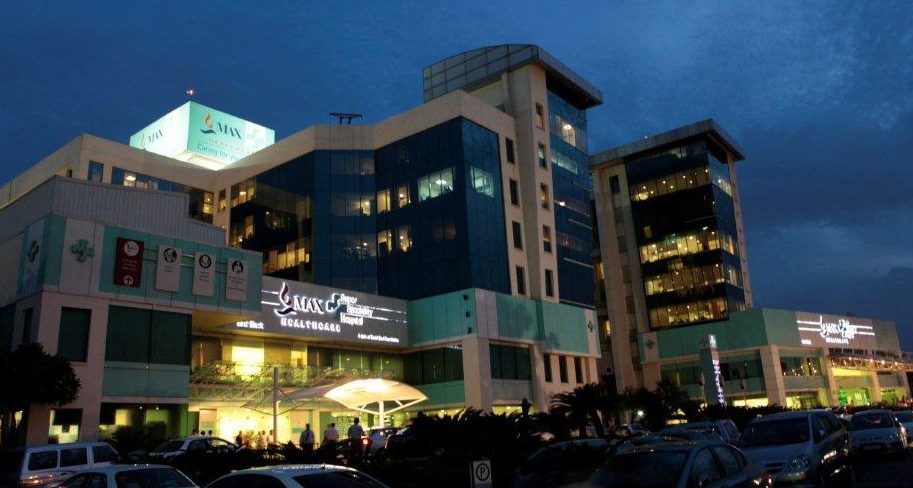
Max Healthcare operates 20 hospitals with around 5,200 beds, but stands out for having the highest ARPOB in India at ₹77,000. Nearly 70% of its beds are located in Tier-1 metro cities, primarily Delhi-NCR, giving it a strong geographic moat.
Max has aggressive expansion plans, with 6,230 new beds expected to be added. With occupancy levels already in the 70-77% range, this expansion is likely to translate directly into revenue and profit growth. The company's asset-light strategy has enabled faster scaling with controlled capital risk.
Fortis Healthcare Ltd

Source: Wikipedia
Fortis Healthcare operates 33 hospitals with nearly 5,700 beds. After restructuring, the company has regained operational stability and now focuses on improving profitability and utilization.
With an ARPOB of ₹68,200 and plans to add 3,200 new beds, Fortis is positioned to benefit from improving occupancy and rising demand in metro markets. Its diversified city presence and expanding capacity support steady long-term growth.
Narayana Hrudayalaya Ltd

Source: Wikipedia
Narayana Health operates 18 hospitals with around 5,554 beds and follows a hybrid and O&M model, often partnering with government institutions. This approach allows rapid expansion with relatively low capital intensity.
Its ARPOB of ₹47,945 reflects a high-volume, affordable care model, especially in cardiac and tertiary care. With 1,535 new beds planned, Narayana continues to scale while maintaining cost discipline.
Aster DM Healthcare Ltd

Source: Wikipedia
Aster DM Healthcare operates 20 hospitals with approximately 5,451 beds driven by a complex case mix and premium services. Despite recent financial volatility, Aster plans to add 1,984 new beds, strengthening its long-term growth platform. Its hybrid ownership structure balances expansion speed and operational control.
Global Health Ltd

Source: Wikipedia
Popularly known as Medanta, Global Health operates 6 hospitals with around 3,579 beds. The company focuses on high-end tertiary and quaternary care.
Medanta plans to add 2,300 new beds, increasing capacity by more than 60%. While this expansion may pressure short-term profitability due to higher depreciation and interest costs, it significantly enhances long-term earnings potential as new hospitals mature.
Key Takeaways for Investors
- Bed capacity expansion is a critical long-term growth lever
- Hospitals benefit strongly from operating leverage
- ARPOB, Occupancy Rate, and Bed Addition Rate define earnings quality
- India's hospital sector remains structurally under-penetrated
| Hospital Chain | Current Bed Capacity | Upcoming Beds Planned |
|---|---|---|
| Apollo Hospitals Enterprise Ltd | 9,483 beds | 3,657 beds |
| Max Healthcare Institute Ltd | 5,200 beds | 6,230 beds |
| Fortis Healthcare Ltd | 5,700 beds | 3,200 beds |
| Narayana Hrudayalaya Ltd | 5,554 beds | 1,535 beds |
| Aster DM Healthcare Ltd | 5,451 beds | 1,984 beds |
| Global Health Ltd (Medanta) | 3,579 beds | 2,300 beds |
Conclusion
The Top Hospital Chains in India by Bed Capacity are not only expanding in size but also improving revenue quality, operational efficiency, and geographic reach. With strong structural tailwinds and clear long-term visibility, hospitals remain one of the most compelling sectors within Indian healthcare.
As the industry matures, scale, execution, and disciplined expansion will separate long-term winners-and bed capacity will remain a key metric to track.

Check Other Post Posts
-
 HR Connect Indian Bank: Login Guide, Register & Benefits
April 16, 2025
-
What is the Difference Between Absolute Return and CAGR?
December 27, 2024
-